How to Organize Cables, Probes & Accessories Inside a Custom EVA Case
Learn how to organize cables, probes, chargers and accessories inside a custom EVA case without wasting space or compromising equipment protection.
A professional equipment case often needs to carry much more than the main device. Probes, test leads, charging cables, adapters, batteries and other accessories may all need to travel together.
The challenge is not simply finding space for everything. A good custom EVA case layout should keep the main equipment protected, make accessories easy to access and avoid making the case unnecessarily large.
So, should every cable and accessory have its own foam cutout? In many projects, the answer is no.
Start With the Complete Equipment Set
Before planning the interior, first identify everything that needs to go inside the case.
This may include:
- Main device or instrument
- Probes and sensors
- Test leads and cables
- Chargers and power adapters
- Batteries
- Small tools or replacement parts
- Manuals or documents
This is important because a case selected only around the main device may become too small once all the required accessories are added.
For a complete equipment kit, it is usually better to review the product and accessories together before confirming the case size and interior layout.
Which Accessories Need Fitted Foam?
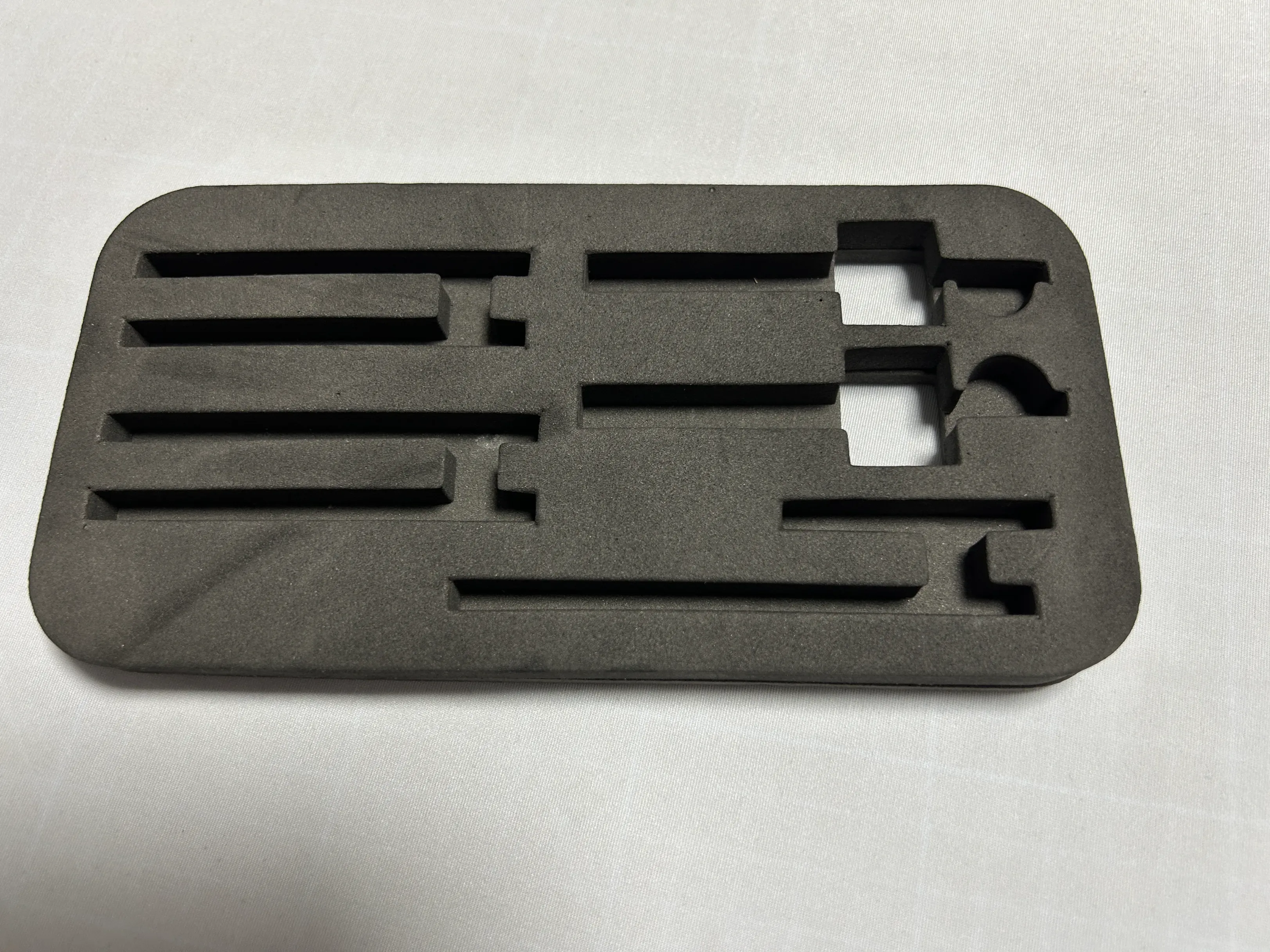
Fitted foam is useful when an item needs a defined position and should remain securely organized inside the case.
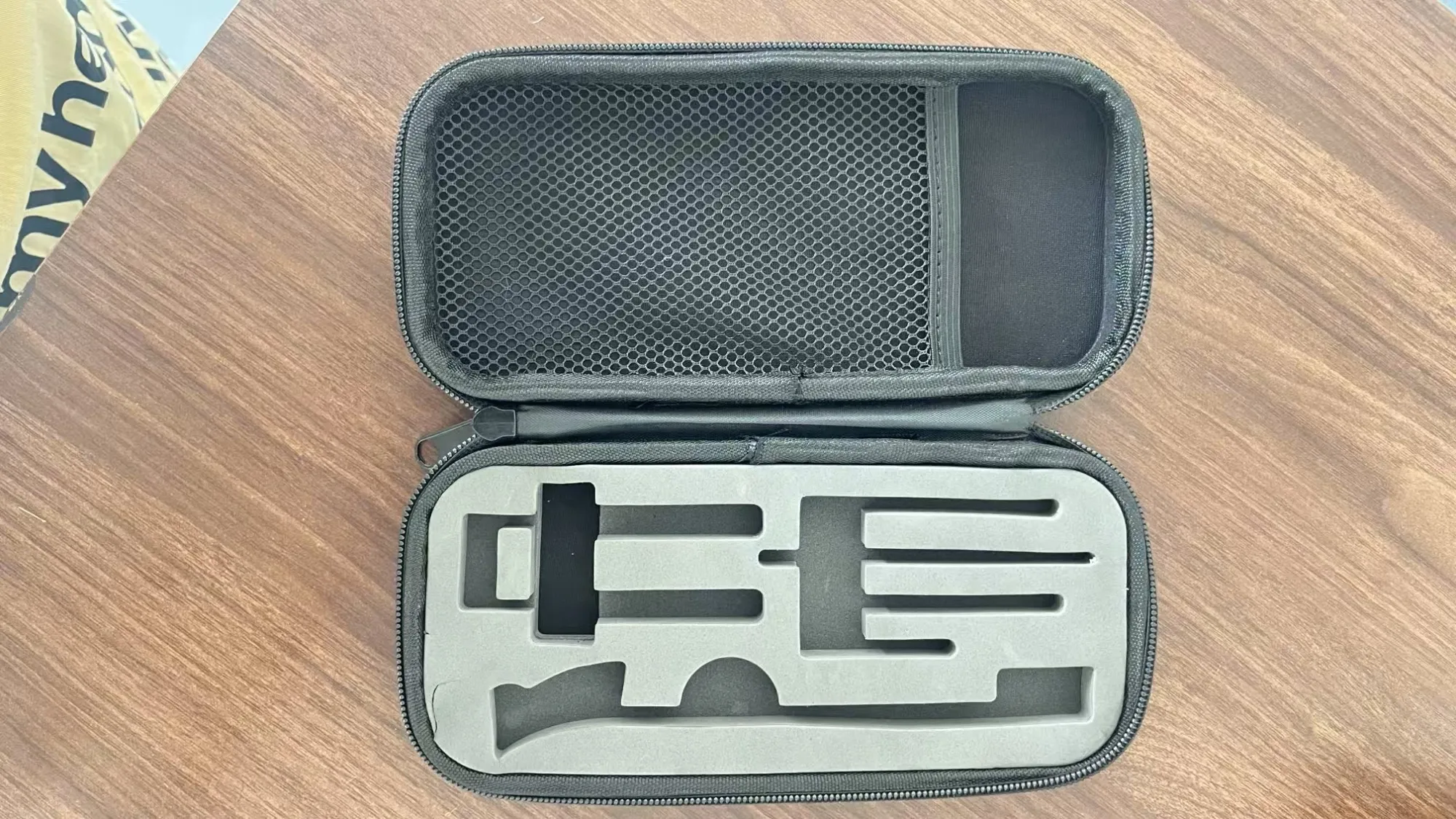
The main device is often the first priority. Probes, adapters or other relatively rigid accessories may also benefit from individual cavities when their position is important.
However, cutting a separate cavity for every small accessory is not always the most practical solution.
Too many foam cutouts can use valuable interior space and make future accessory changes more difficult.
When Is a Mesh Pocket More Practical?
Flexible items such as charging cables, USB cables, soft leads and documentation can often be stored more efficiently in a mesh pocket or separate accessory area.
A mesh pocket may be useful when:
- The accessory is flexible rather than rigid
- Exact positioning is not necessary
- Several small cables need to be stored together
- The accessory may change between product versions
- Easy access is more important than a fitted cavity
For some projects, a combination works better: fitted foam for the main equipment and critical accessories, with a pocket or flexible compartment for cables and less sensitive items.
Avoid Stacking Accessories Over Sensitive Areas
Using the lid or upper storage area can save space, but accessory placement still needs to be considered carefully.
A charger, adapter or bundled cable positioned directly above a screen, button, knob or protruding connector may create unwanted pressure when the case is closed.
This is why interior layout should consider not only the footprint of each item, but also its height and its position when the complete case is closed.
Do Not Make the Case Larger Than Necessary
It can be tempting to solve every layout problem by choosing a larger or deeper case. But a larger case also means more carrying volume and more unused internal space.
A better approach is to first decide which components need fitted retention and which can use more flexible storage.
For example, moving a cable from an individual foam cavity to a mesh pocket may create enough room for the main equipment without increasing the overall case size.
Check the Complete Kit During Functional Sampling
A layout that looks workable in a drawing still needs to work with the real equipment.
During functional sampling, place the main product and all required accessories into the case and check:
- Whether every required component fits
- Whether the case closes normally
- Whether accessories create pressure on the main product
- Whether cables remain reasonably organized
- Whether the main equipment stays securely positioned
- Whether frequently used items are easy to remove and return
For fitted EVA cases, the complete kit should be evaluated together rather than checking the main product alone.
Choose the Layout Around How the Kit Is Actually Used
There is no single interior layout that works for every equipment case.
A field technician may need quick access to probes and cables. A medical equipment kit may require clearer separation between the main device and accessories. A sales demonstration kit may place more emphasis on organized presentation.
The most practical layout depends on the equipment, accessories and how the complete kit will be carried and used.
Need to Fit a Complete Equipment Kit Into One EVA Case?
Send Bravie Case your main product dimensions, clear photos or drawings, STEP/STP file if available, complete accessory list and estimated quantity.
We can first review the case size and a practical interior direction for your main equipment, cables, probes and accessories.