What Should Buyers Check When Reviewing a Custom EVA Case Sample?
Learn what to check in a custom EVA case sample, including product fit, closure, foam retention, accessory layout and construction before production approval.
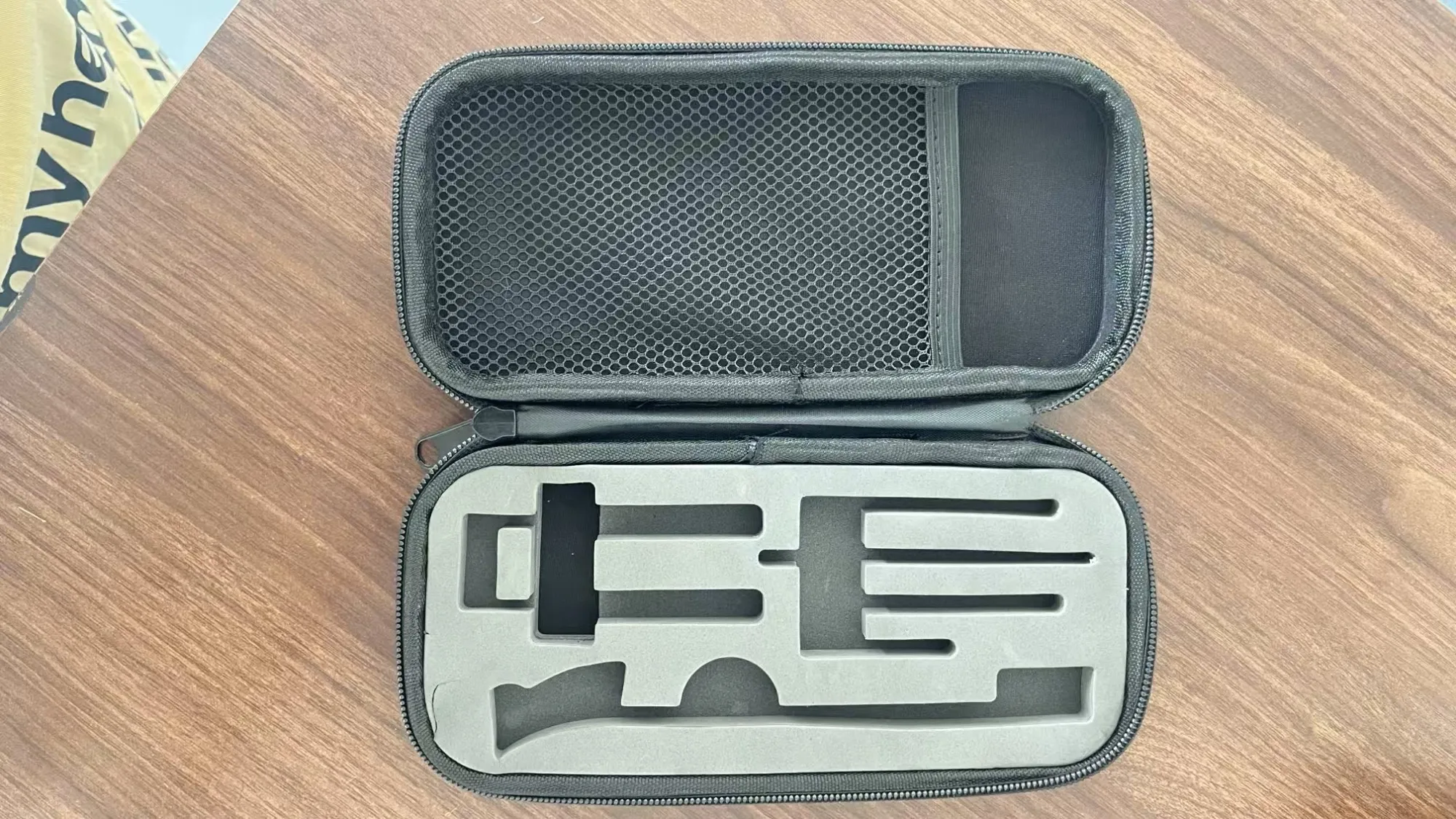
Receiving a custom EVA case sample is an important step before production. But sample approval should involve more than checking whether the case looks good or whether the product fits inside.
For a fitted EVA case, the sample should be reviewed with the actual product and accessories whenever possible. The goal is to confirm that the case, interior and complete equipment set work together as intended.
Here are the key areas buyers should check before approving a custom EVA case for production.
1. Check the Actual Product Fit
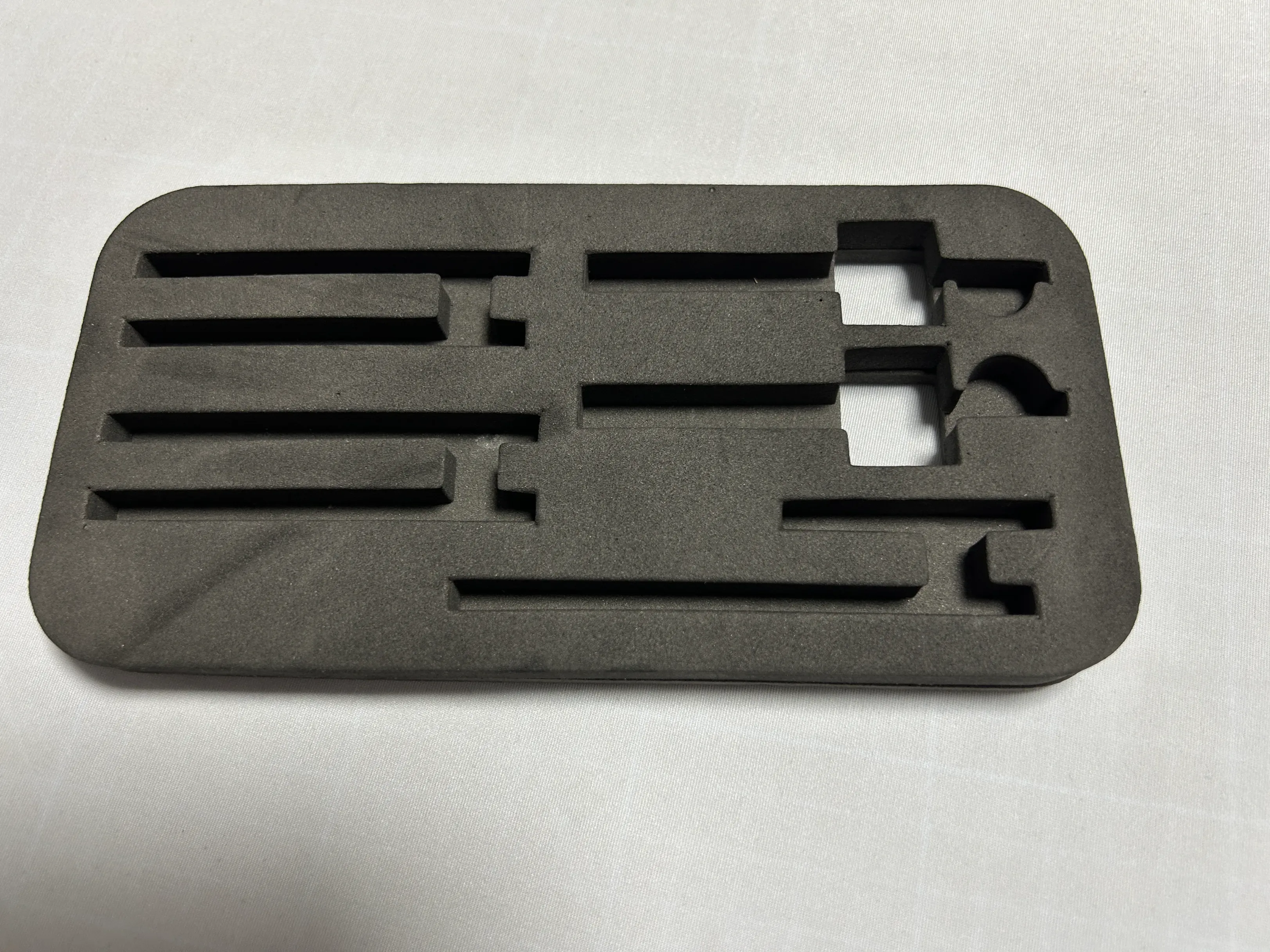
Start by placing the actual product into the fitted foam or interior structure.
Check whether:
- The product sits in the intended position
- The cavity follows the important parts of the product shape
- The product is not excessively loose
- The fit is not so tight that normal removal becomes difficult
- The product can be inserted and removed without unnecessary force
A good fit should hold the equipment securely while still allowing practical everyday use.
2. Close the Case with Everything Inside
Do not evaluate the lower insert alone. Put the main product, cables, chargers, probes and other required accessories into their intended positions, then close the case completely.
The zipper should close normally without excessive force, and the case should not show obvious distortion caused by the contents.
This is particularly important when taller accessories or equipment extend above the lower insert.
3. Check Pressure and Clearance
A product can appear to fit correctly while still receiving unwanted pressure when the lid is closed.
Pay particular attention to:
- Screens and displays
- Buttons and switches
- Knobs and controls
- Connectors and ports
- Protruding or sensitive components
If necessary, use the actual product position and contact points to identify where additional clearance or layout adjustment may be required.
4. Check Foam Retention and Product Movement
The insert should help keep the equipment in position during normal carrying and handling.
Gently move and carry the closed case as it would normally be used. After opening it again, check whether the main product and accessories have remained in their intended positions.
At the same time, avoid judging the insert only by how tightly it grips the product. Excessively tight foam can make removal inconvenient and may create unnecessary pressure on certain product areas.
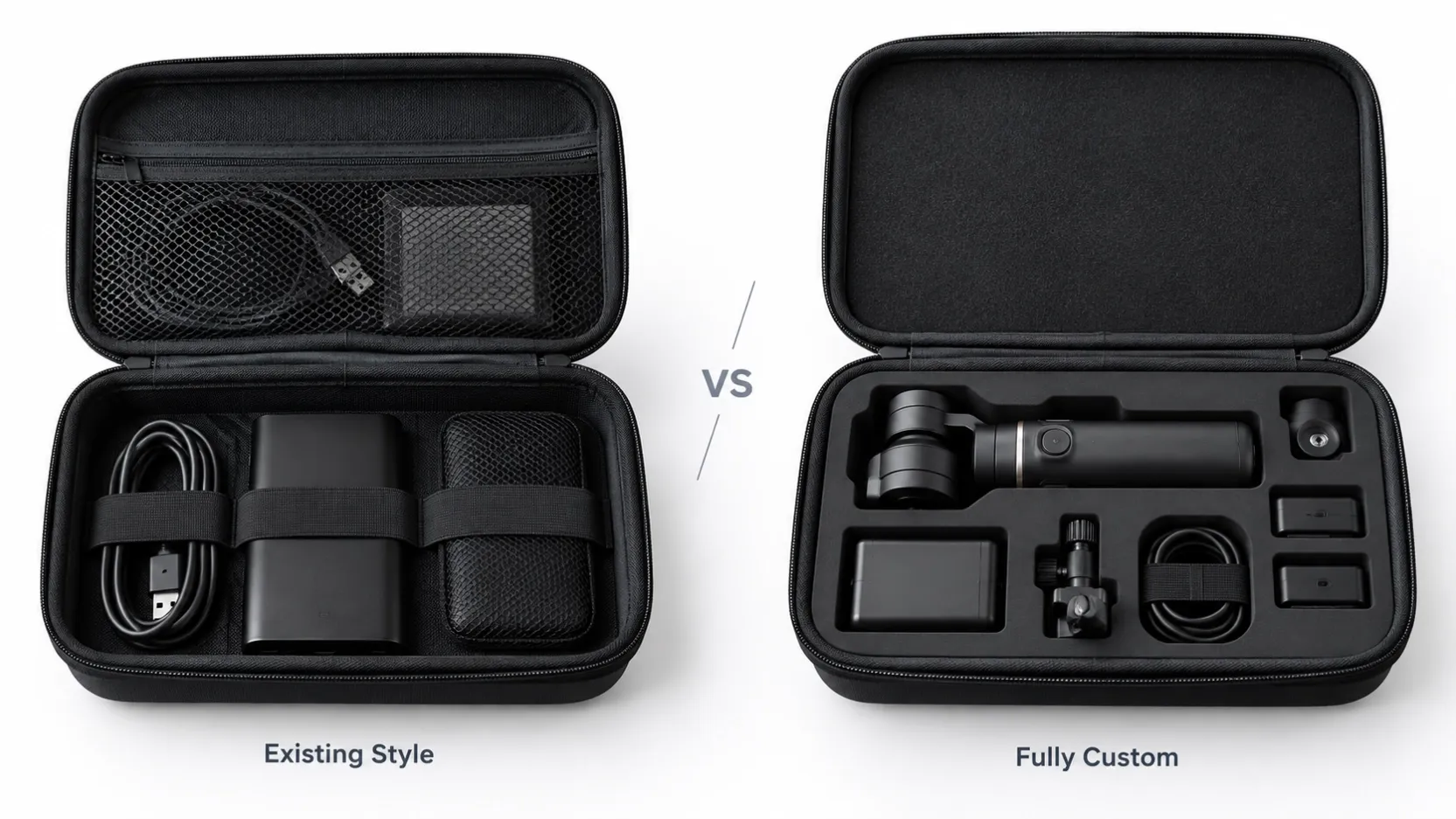
5. Review the Accessory Layout
Many professional equipment cases need to carry more than the main device. Chargers, probes, test leads, adapters, batteries and cables often require their own storage areas.
Check whether:
- Each required accessory has a practical storage position
- Cables can be stored without excessive bending or tangling
- Small accessories are easy to find and remove
- Accessories do not press against sensitive areas of the main product
- The layout still works when the complete kit is packed
For equipment sold or used as a complete kit, the sample should be evaluated as a complete kit as well.
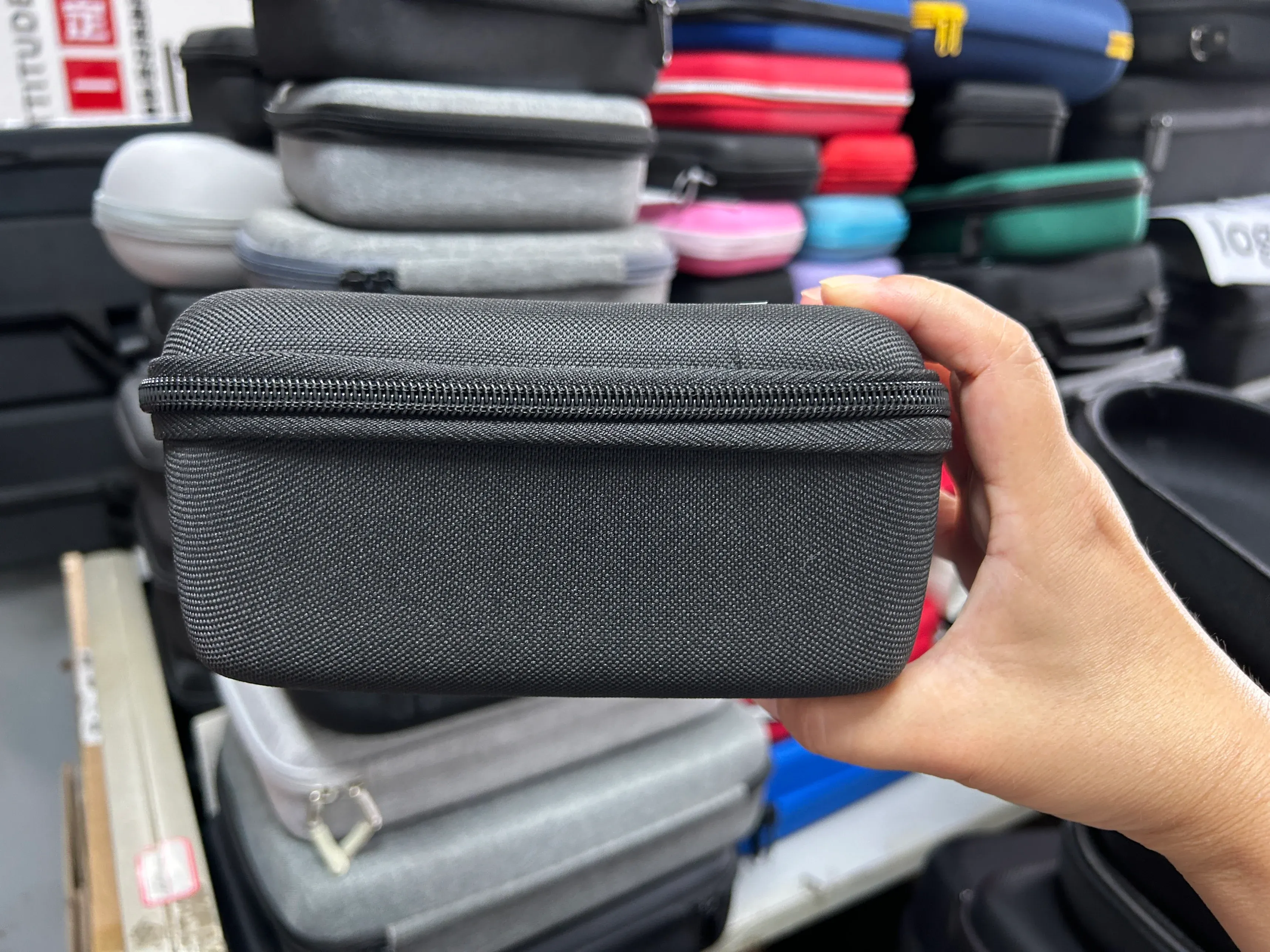
6. Inspect the Case Construction and Details
After confirming the internal fit, review the overall case construction and customized details.
Depending on the project, this may include:
- Zipper operation and alignment
- Handle position and carrying comfort
- Stitching and edge finishing
- Exterior shell shape
- Interior pocket or compartment position
- Logo size, position and appearance
- Selected exterior and interior materials
These details should be compared with the agreed sample requirements rather than judged only by appearance.
Before Approving Mass Production
If the functional sample performs as expected, the next step is to confirm the final production requirements.
Before approval, make sure both sides have confirmed:
- Approved sample or agreed final revisions
- Final case and interior layout
- Materials and colors
- Logo artwork and position
- Order quantity
- Packaging requirements
If an important fit, closure or layout issue is found, it is better to identify and correct it during the sample stage rather than after production has started.
A Sample Is for Validation, Not Just Presentation
A custom EVA case sample should help answer a practical question: Is this case ready to be produced around the actual product and complete accessory set?
Checking fit, closure, pressure clearance, retention, accessory organization and construction before approval can reduce avoidable changes later in the project.
Preparing a Custom EVA Case Project?
Send Bravie Case your product dimensions, clear photos or drawings, STEP/STP file if available, complete accessory list, estimated quantity and target timing.
We can first review the practical case direction and the information needed before moving into functional sampling.