STEP File or Physical Sample: What Is Better for Custom EVA Case Development?
Do you need a STEP file or physical product for a custom EVA case? Learn what can be evaluated digitally and when the actual product may be needed.
When developing a custom EVA case with a fitted interior, buyers often ask the same question: Is a STEP file enough, or do you need the actual product?
For many projects, accurate dimensions, clear product photos and a STEP/STP file are enough for an initial evaluation. They can help determine the case direction, approximate space requirements and preliminary interior layout.
However, when precise fit, closure or foam retention is important, the actual product may still be needed during functional sample development.
When Is a STEP File Usually Enough?
A STEP or STP file is especially useful when the product design is finalized and the 3D data accurately represents the production product.
It can help with preliminary evaluation of:
- Overall product dimensions and geometry
- Possible case size and orientation
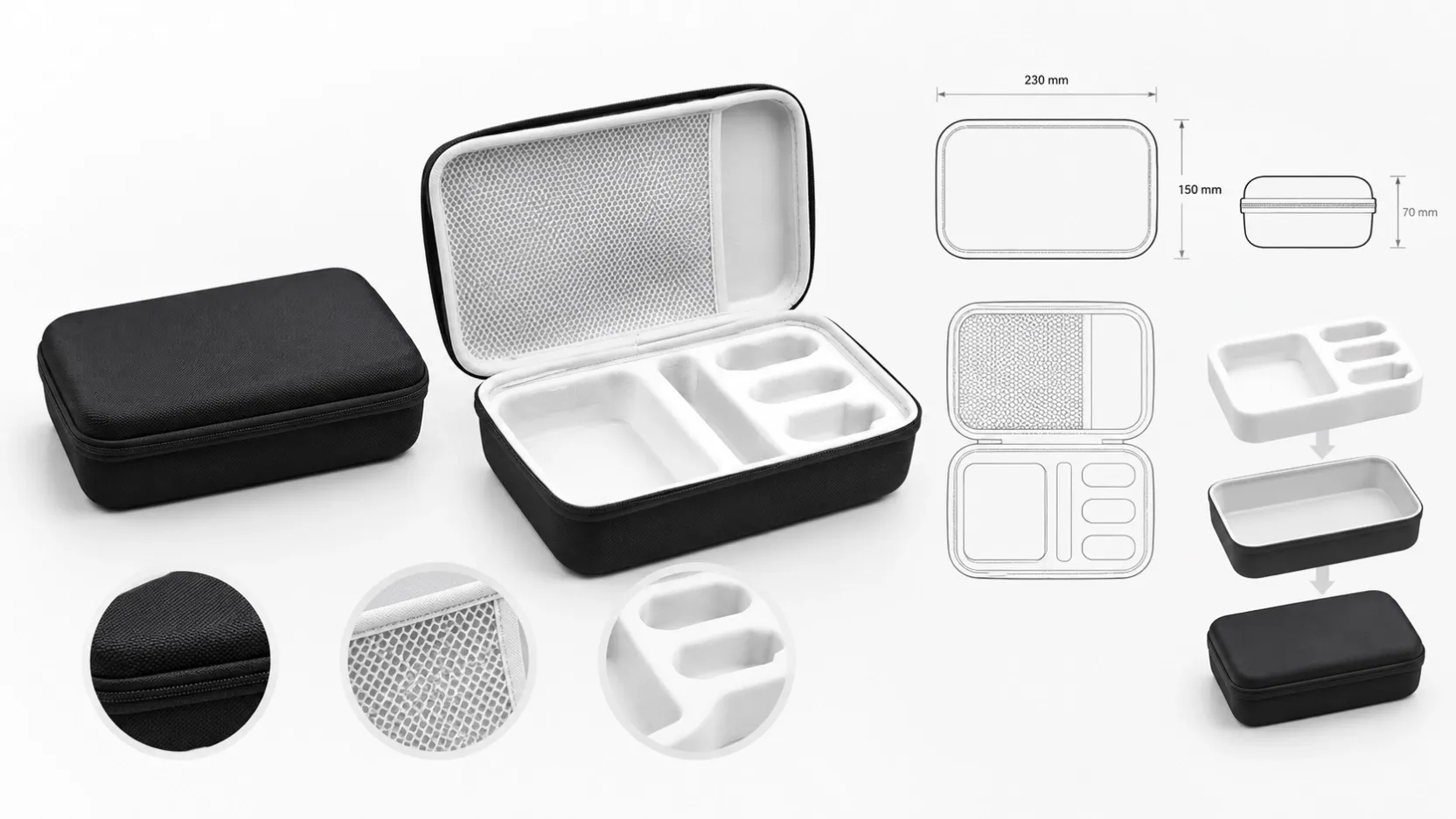
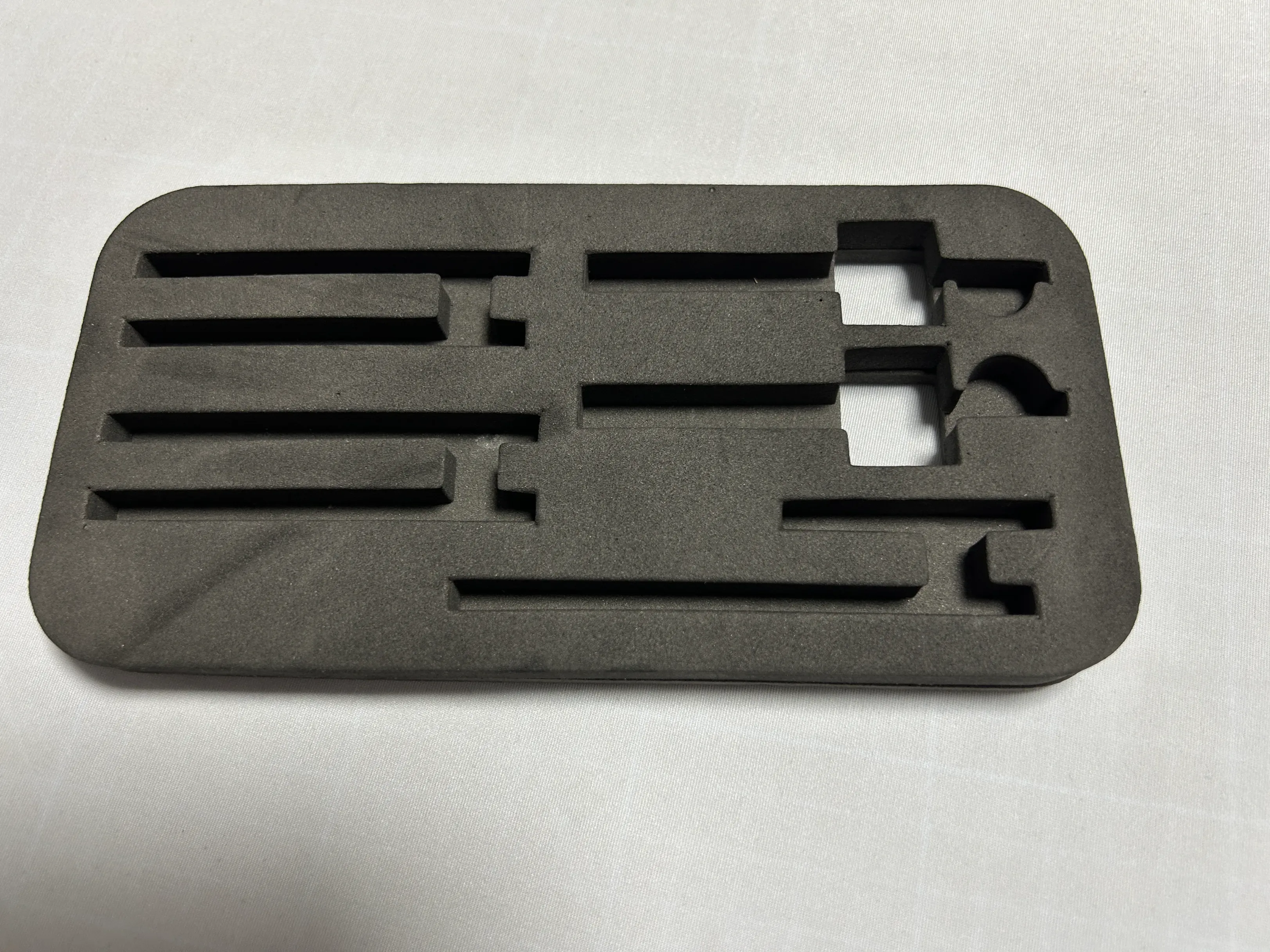
- Initial foam insert layout
- Space for chargers, probes, cables and accessories
- Potential clearance around important product features
For relatively straightforward products, this information can help establish a practical case direction before physical sampling begins.
When Is a Physical Product More Important?
3D data does not always show everything that matters when a product is placed inside a real EVA case.
A physical product becomes more important when the project includes:
- Irregular or complex product geometry
- Buttons, knobs, screens or connectors that should not be pressed
- Precision-fitted foam
- Multiple accessories sharing limited interior space
- Cables or flexible components that are difficult to represent in a fixed layout
- Products that require careful pressure or clearance control
In these situations, the actual product can provide information that dimensions and CAD files alone may not fully confirm.
What Can Be Evaluated Before Sampling?
Before a functional sample is made, Bravie Case can review the available product information to discuss preliminary feasibility and case direction.
Useful information includes:
- Product dimensions (L × W × H)
- Clear product photos
- STEP/STP files, if available
- Complete accessory list and dimensions
- Preferred arrangement or layout reference
- Estimated order quantity
- Target purchasing timeline
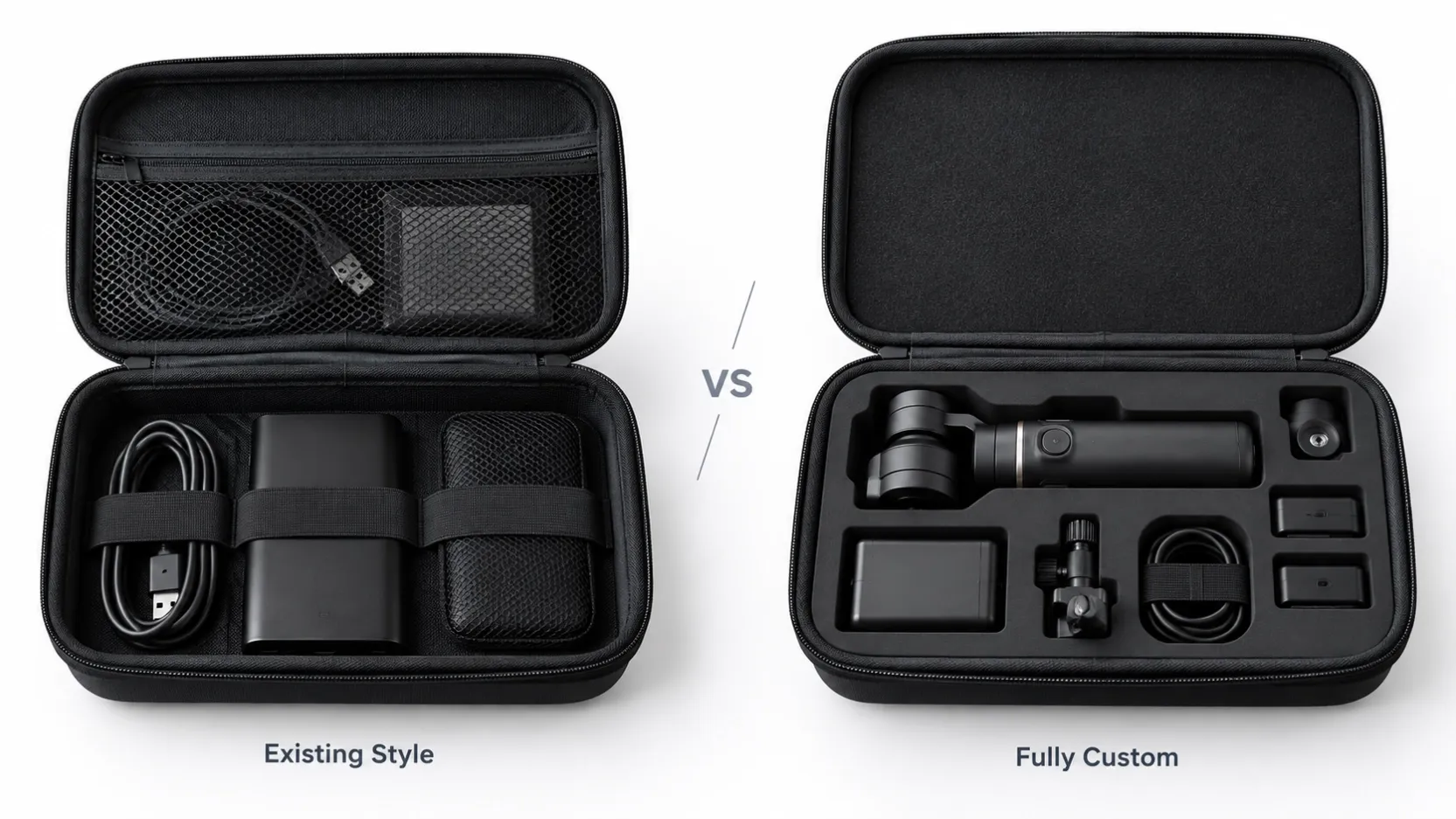
This stage is intended to identify a practical direction, such as whether an existing case size may be suitable or whether a fully custom case should be considered.
A preliminary layout is a feasibility reference, not a final production-fit guarantee.
What Should Be Verified with a Functional Sample?
For a fitted EVA case, several important details are best confirmed with the real product and a functional sample.
- Actual fit: Does the product sit correctly in the insert?
- Case closure: Does the case close properly with the complete equipment set inside?
- Pressure clearance: Are screens, buttons, connectors and other sensitive areas free from unwanted pressure?
- Foam retention: Is the product held securely while remaining practical to remove?
- Accessory fit: Do chargers, probes, cables and other accessories fit as intended?
- Product movement: Does the equipment remain properly positioned during normal handling?
These checks are part of functional sample validation and should be completed before the case is approved for production.
STEP File or Physical Sample: Which Should You Provide?
It is not always an either-or decision.
A STEP file can be an efficient way to begin the project and evaluate the case structure. A physical product becomes more valuable when the project reaches the stage where real fit, closure and foam performance need to be confirmed.
For some projects, accurate dimensions and photos may be enough to begin the initial review. For more complex fitted interiors, both 3D data and the physical product can be useful at different stages.
Have a Finalized Product That Needs an EVA Case?
Send Bravie Case your product dimensions, clear photos or drawings, STEP/STP file if available, complete accessory list, estimated quantity and target timing.
We can first review the practical case direction and identify what information may be needed before functional sampling.