Sep 29, 2026Guides/Insights
How to Design a Custom EVA Case for Multiple Devices and Accessories
Learn how to plan a custom EVA case for multiple devices, cables and accessories, including foam layout, storage, device height and sampling.
When a product kit includes several devices, cables and accessories, choosing a case is not simply about finding a shell large enough to hold everything.
A practical custom EVA case should keep the main equipment protected, organize accessories clearly, and still be easy to carry and use.
Here are four things to consider before developing the interior layout.
1. Start With the Complete Equipment Set
Before deciding the case size, list everything that needs to travel together.
This may include:
- Main device
- Handheld instruments
- Probes or sensors
- Cables and chargers
- Adapters
- Small accessories
- Manuals or documents
Designing around only the largest device can create problems later when the remaining accessories are added.
For an initial layout review, product dimensions and clear photos are usually enough. For products with irregular shapes or tight-fitting requirements, STEP files or physical samples may be needed during sampling.
2. Consider Device Height, Not Just Length and Width
One common challenge with multi-device kits is that the components have different heights.
A tall device may require a deeper cavity, while smaller accessories need much less space. If this is not considered early, the layout may look good from the top but prevent the case from closing properly.
The interior depth, foam thickness and available space in both the base and lid should therefore be reviewed together.
3. Use Different Storage Methods for Different Items
Not every item needs its own foam cavity.
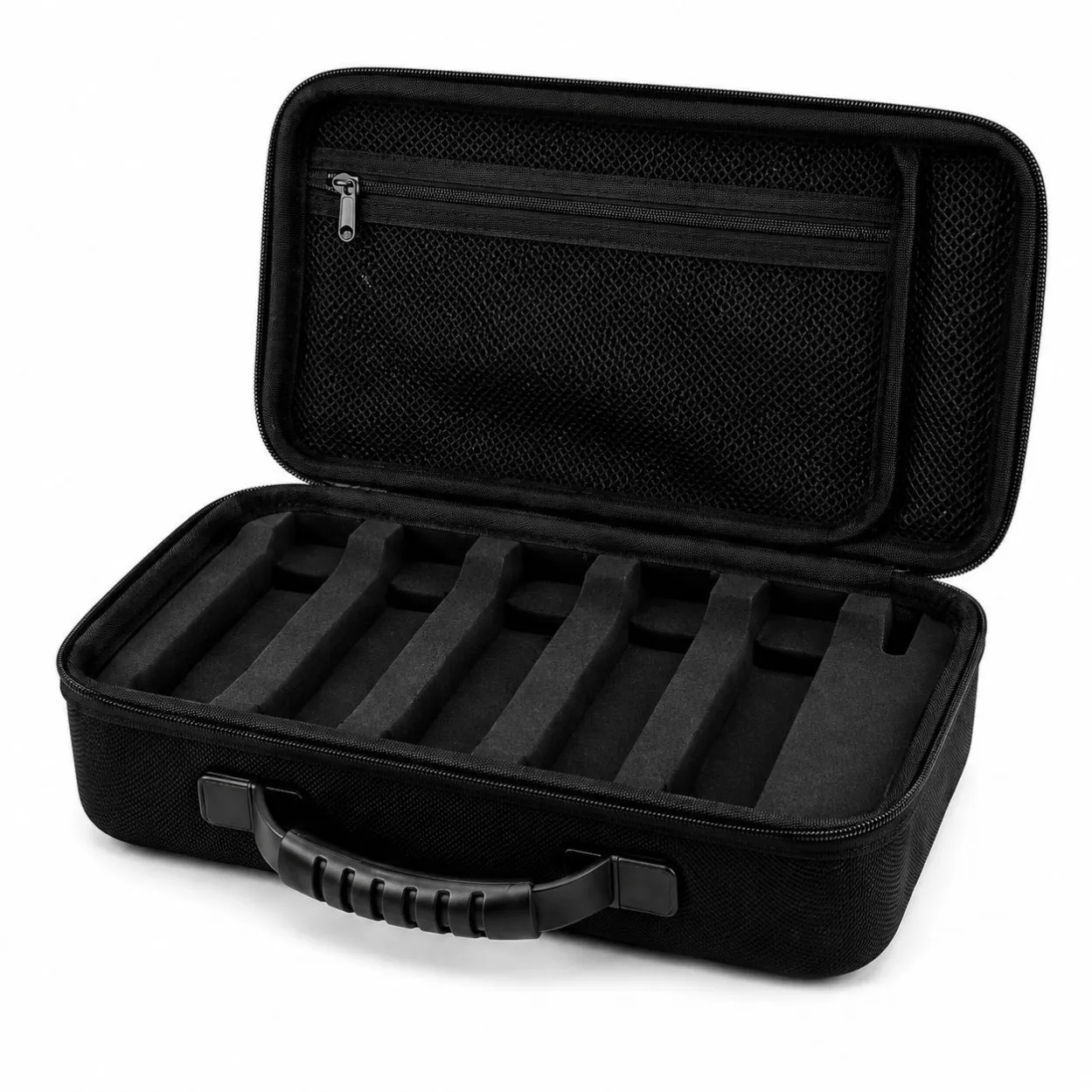
Main devices and sensitive components can be held in fitted foam, while other items may be better stored in:
- Mesh pockets
- Elastic straps
- Accessory compartments
- Additional foam slots
For example, cables and documents are often more practical in a lid pocket than in individually cut foam cavities.
This can keep the case organized without making it unnecessarily large.
4. Leave Practical Space for Additional Accessories
A layout that fits today's equipment perfectly may become inconvenient when a small accessory is added later.
When space allows, one or two general-purpose compartments can provide useful flexibility for spare parts, adapters or future accessories.
The goal is not to fill every centimeter with custom cavities. It is to create an interior that works for the complete kit in real use.
Validate the Complete Layout Before Production
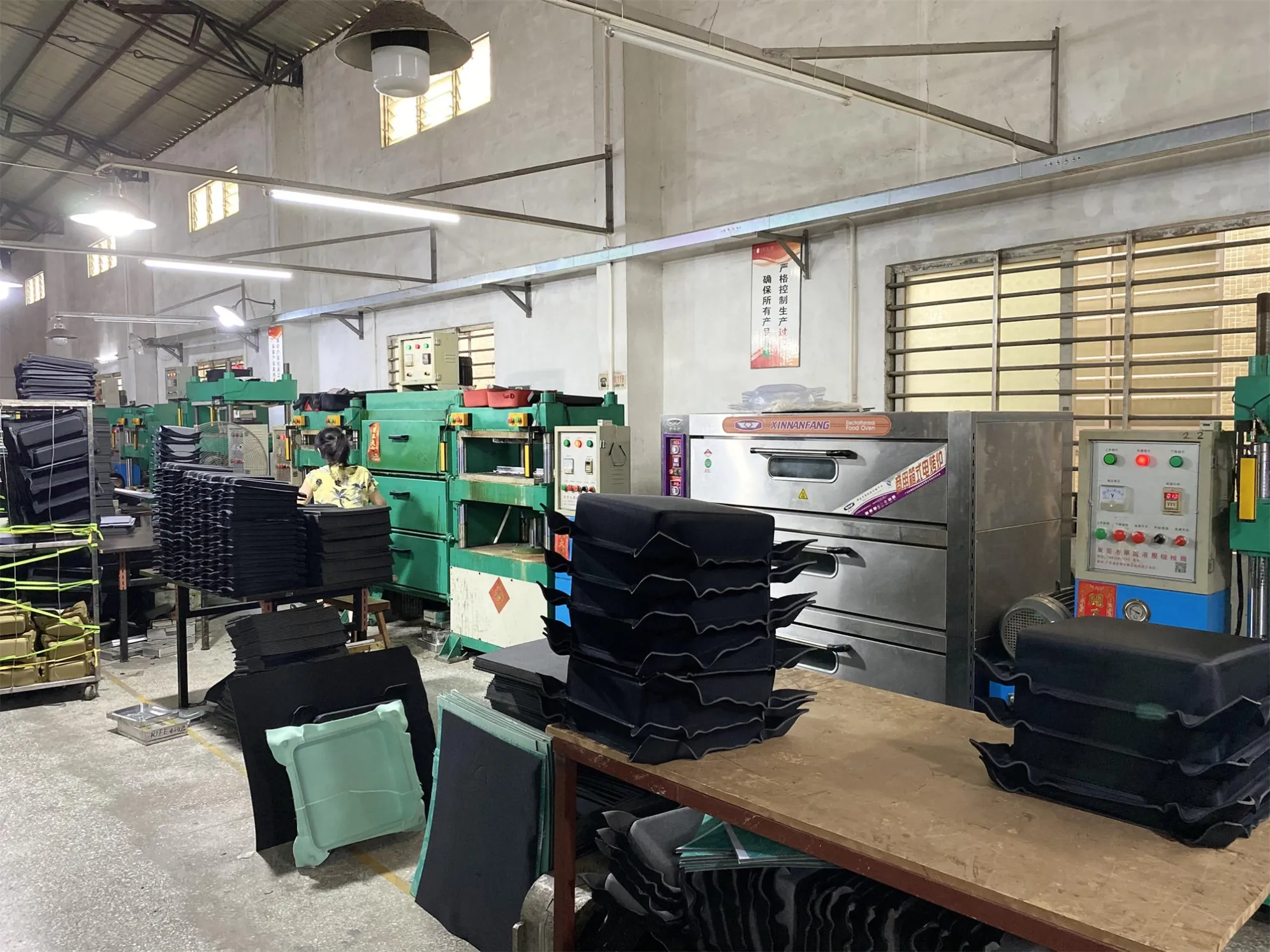
Once the basic layout is confirmed, sampling is important for checking the actual fit and closure.
A physical sample can help verify:
- Device fit and removal
- Foam protection
- Accessory organization
- Lid clearance
- Zipper closure
- Overall carrying size
For multi-device projects, this step is especially useful because small differences in product height or cable placement can affect how the complete case closes.
Planning a Case for Multiple Devices?
Send us the dimensions and photos of each device, accessory list, preferred layout and estimated quantity.
We can review the complete equipment set and recommend a practical EVA case size and interior structure for your project.
Request a Custom EVA Case Quote →