Oct 4, 2026Guides/Insights
How to Choose Materials for a Custom EVA Case
Learn how the outer surface, EVA structural layer and inner lining work together in a custom EVA case, and what buyers should consider before sampling.
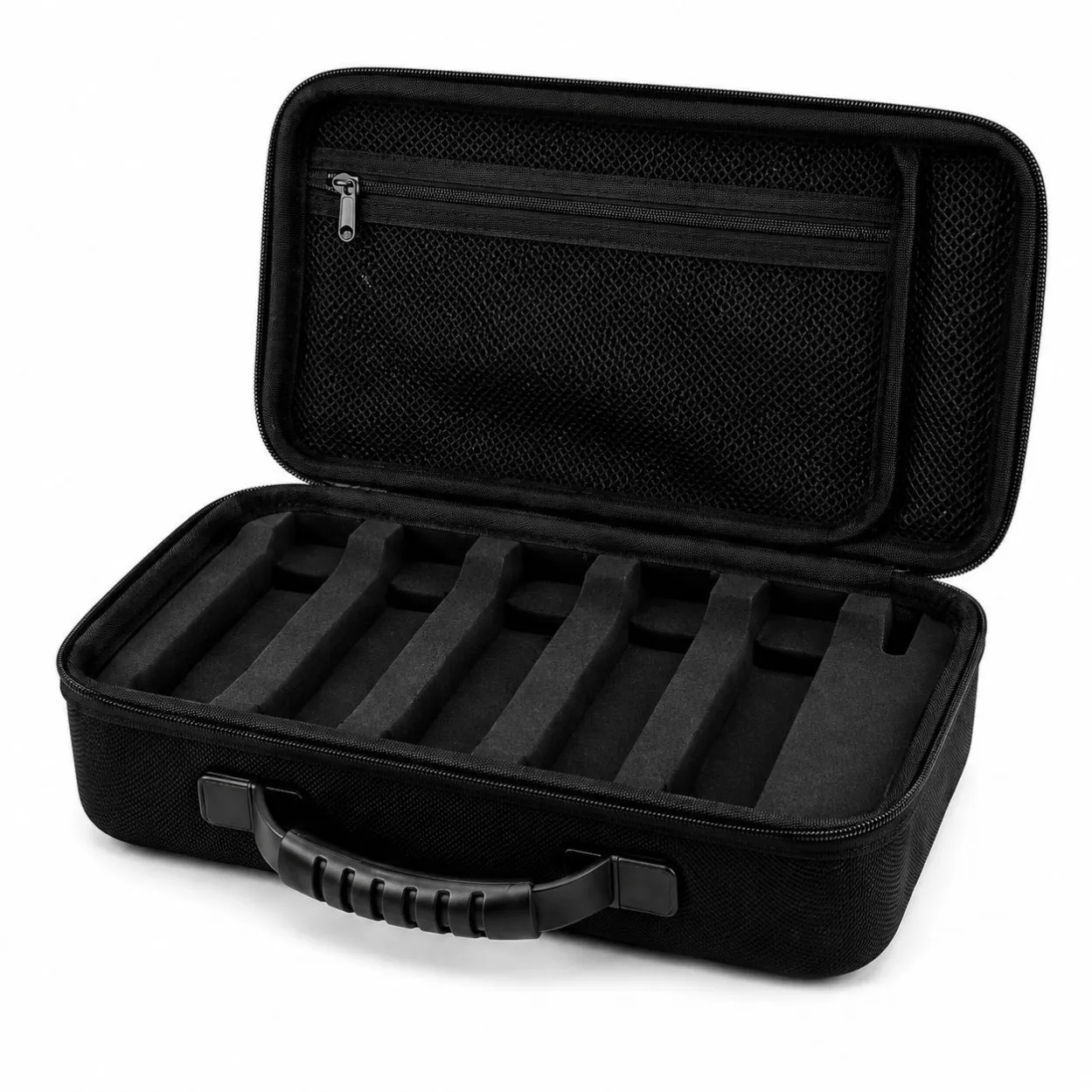
When buyers ask about EVA case material, they are often referring to more than one material.
A typical custom EVA case combines an outer surface, molded EVA structural layer and inner lining, with additional materials used for foam inserts, pockets, handles and other components.
The right combination depends on the product, appearance, carrying requirements and intended use.
Understand the Main Material Layers
A custom EVA case usually includes three main layers:
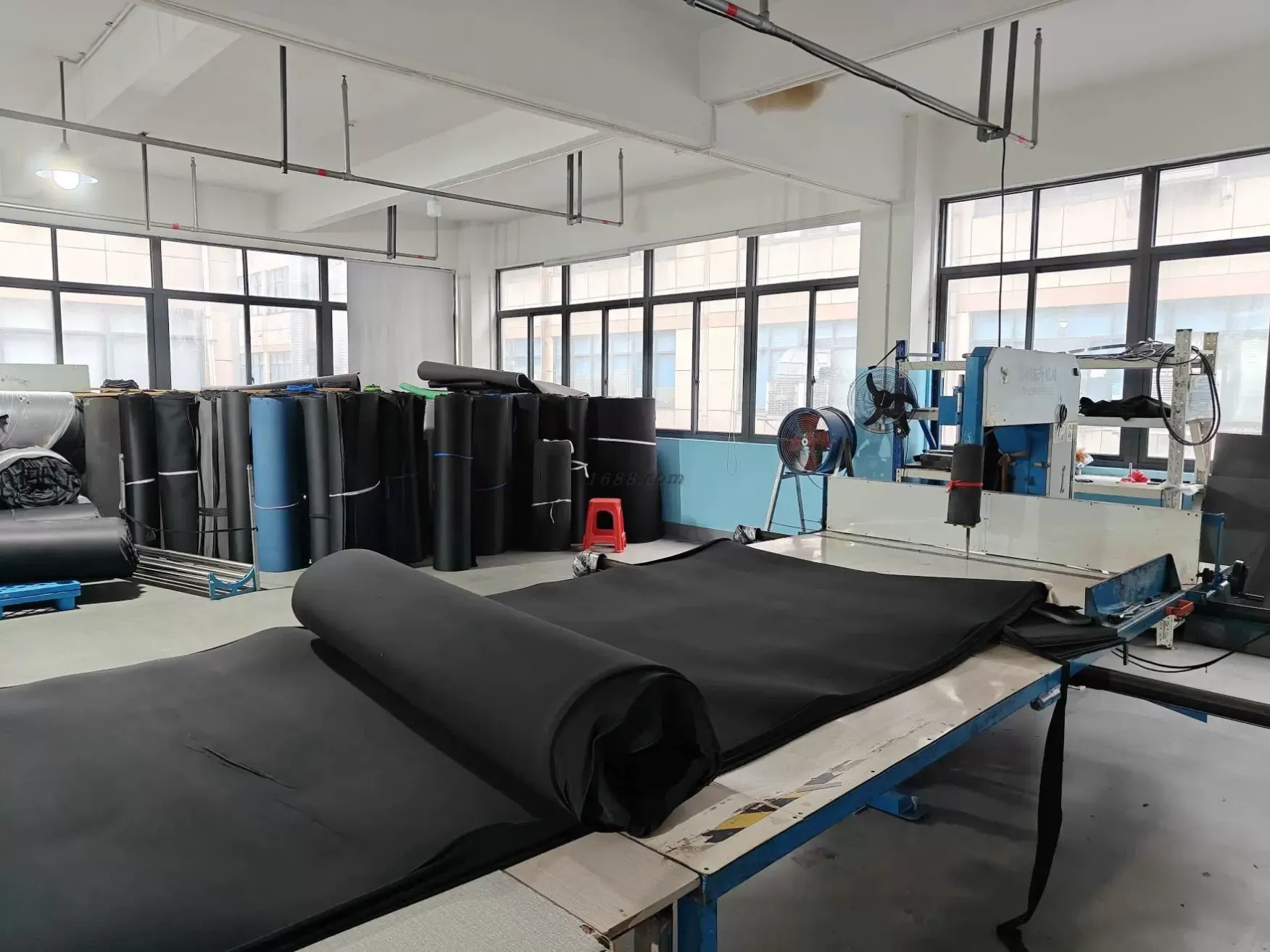
- Exterior surface material
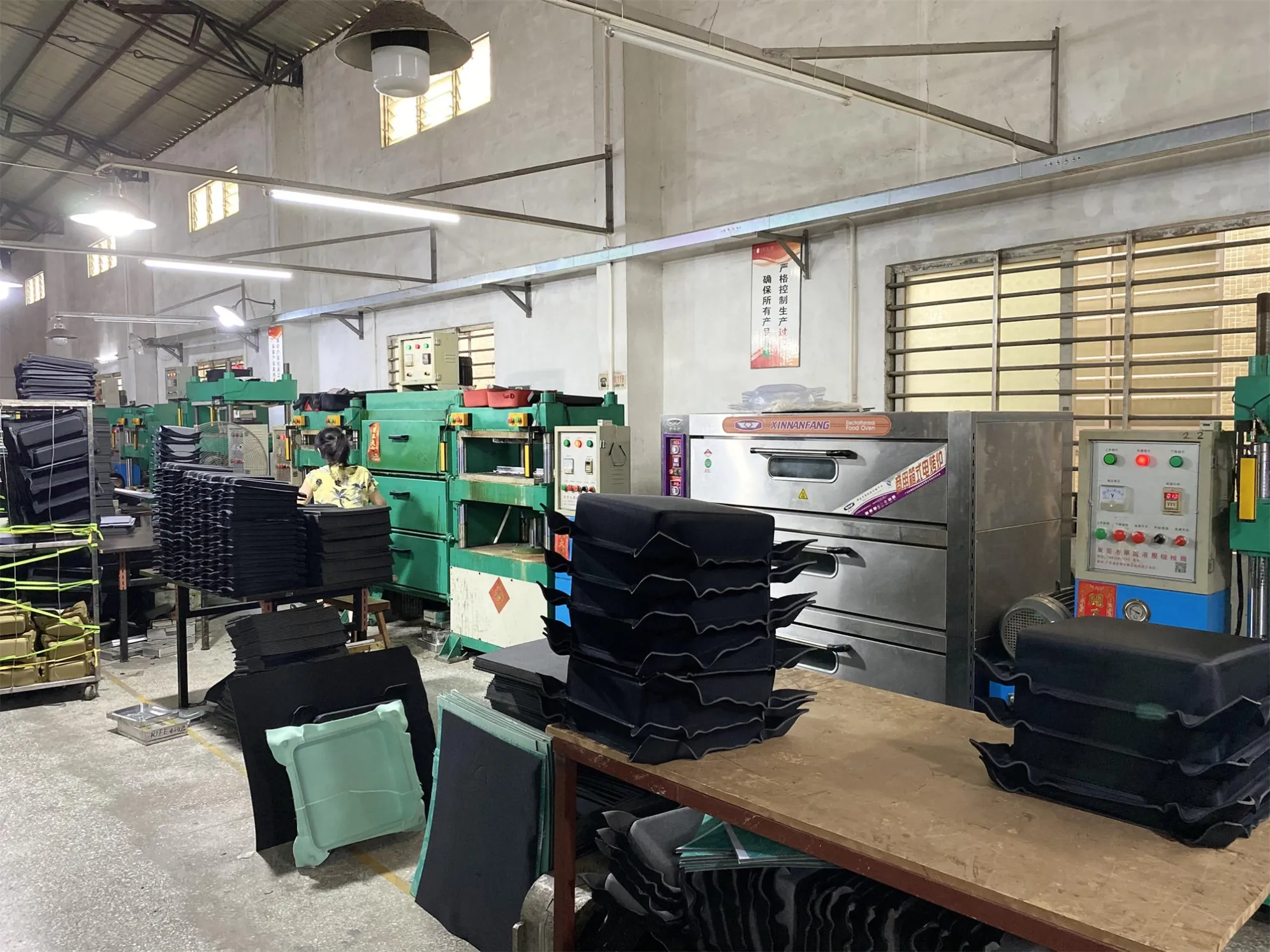
- EVA structural layer
- Interior lining
The EVA layer helps the case maintain its molded shape, while the exterior and lining influence appearance, feel and product contact.
These layers should be considered together rather than selected separately.
Choosing the Exterior Surface
Common exterior directions can include polyester, PU and textured or embossed finishes.
The right choice depends on factors such as:
- Desired appearance
- Surface texture
- Case shape
- Branding method
- Color requirements
- Intended use
For example, a clean PU surface may suit one branded electronics project, while a textured fabric surface may be more appropriate for a professional tool case.
There is no single exterior material that is best for every project.
Consider the EVA Structure
The EVA layer provides much of the case's shape and structure.
Its specification should be considered together with:
- Case dimensions
- Product weight
- Required case depth
- Overall case shape
- Interior layout
A larger or heavier equipment case may require a different structure from a small lightweight electronics case.
Material selection should therefore start with the product rather than a fixed EVA specification.
Choose the Interior Around the Product
The lining is the surface that may come into direct contact with the product or interior components.
Depending on the project, the interior can also include:
- Custom foam
- Mesh pockets
- Elastic straps
- Dividers
- Molded inserts
For products with sensitive surfaces, the final interior material should be reviewed on the physical sample.
Do Not Choose Materials by Appearance Alone
Two materials can look similar in a photograph but perform differently once they are molded, sewn and combined with the complete case.
Before production, the sample should be checked for:
- Overall appearance
- Surface finish
- Case shape
- Product contact
- Interior fit
- Closure
- Branding result
This is more useful than approving a material only from a swatch or photo.
What Should You Send Before Sampling?
To review the material direction, provide:
- Confirmed product dimensions
- Product weight
- Product photos or drawings
- Accessory list
- Preferred appearance
- Logo artwork
- Estimated quantity
- Packaging requirements
This helps the material selection match the complete project rather than only the case exterior.
Need Help Choosing a Material Combination?
Send us your product information and intended case requirements.
We can review the case structure, exterior direction and interior requirements before moving to sampling.
Request a Quote →