EVA Foam for Custom Cases: What Buyers Need to Know
A practical guide to choosing foam inserts for custom EVA cases, including CNC-cut foam, layered foam and molded inserts for professional equipment and accessories.
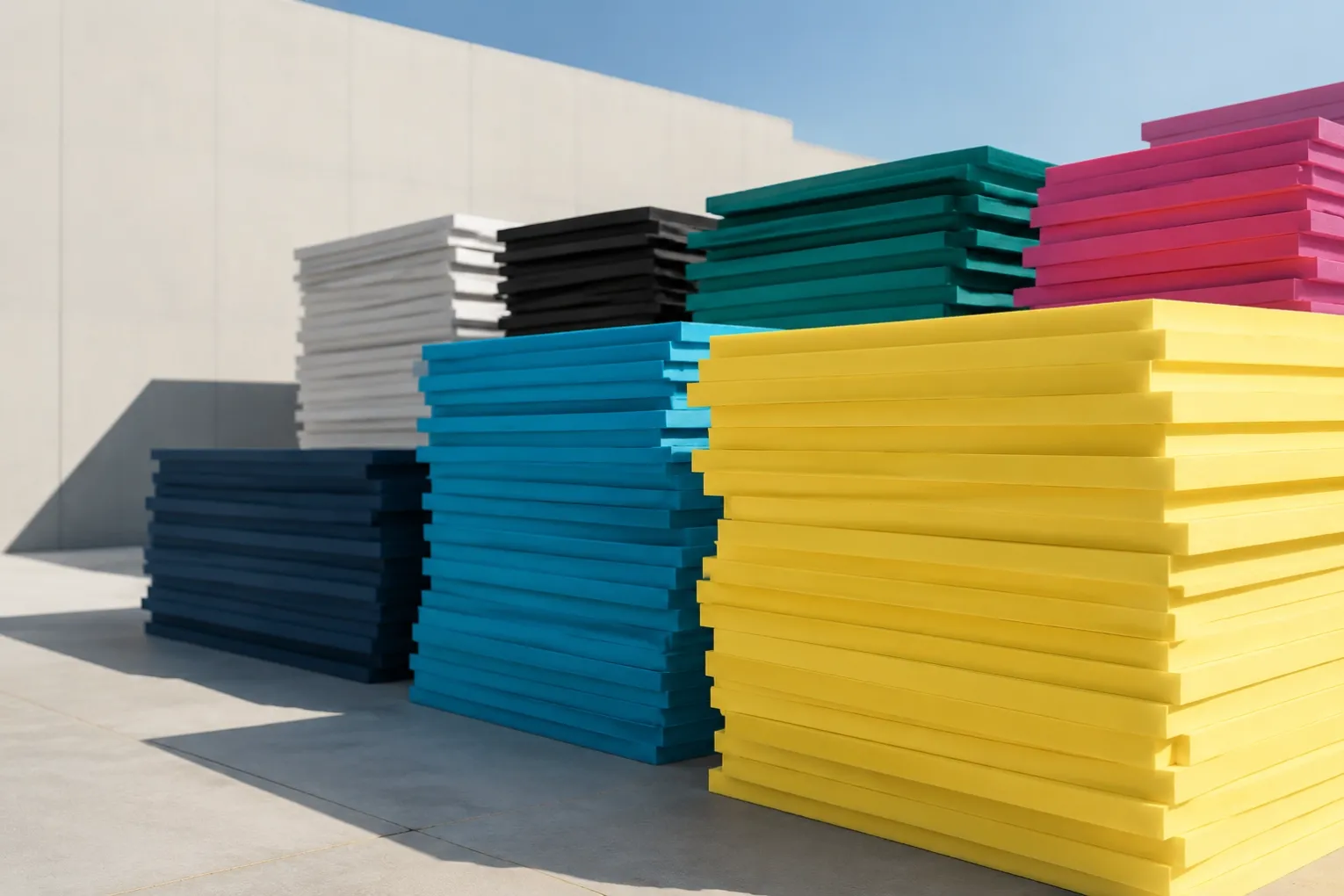
EVA foam is one of the most common materials used inside custom carrying cases, but choosing the right insert is not simply about selecting a foam thickness.
The product shape, weight, accessories, protection needs and how the case will be used all affect the final interior design.
For most buyers, the important question is not “Which foam specification should I choose?” but rather:
“What type of interior will hold my product securely and still make it easy to use?”
Why Is EVA Foam Used in Custom Cases?
EVA foam is lightweight, flexible and can be shaped around products and accessories. In a custom EVA case, it helps reduce movement while keeping the complete kit organized.
It is commonly used for:
- Electronic devices
- Test and measurement instruments
- Medical equipment
- Tools and field-service kits
- Sales demonstration products
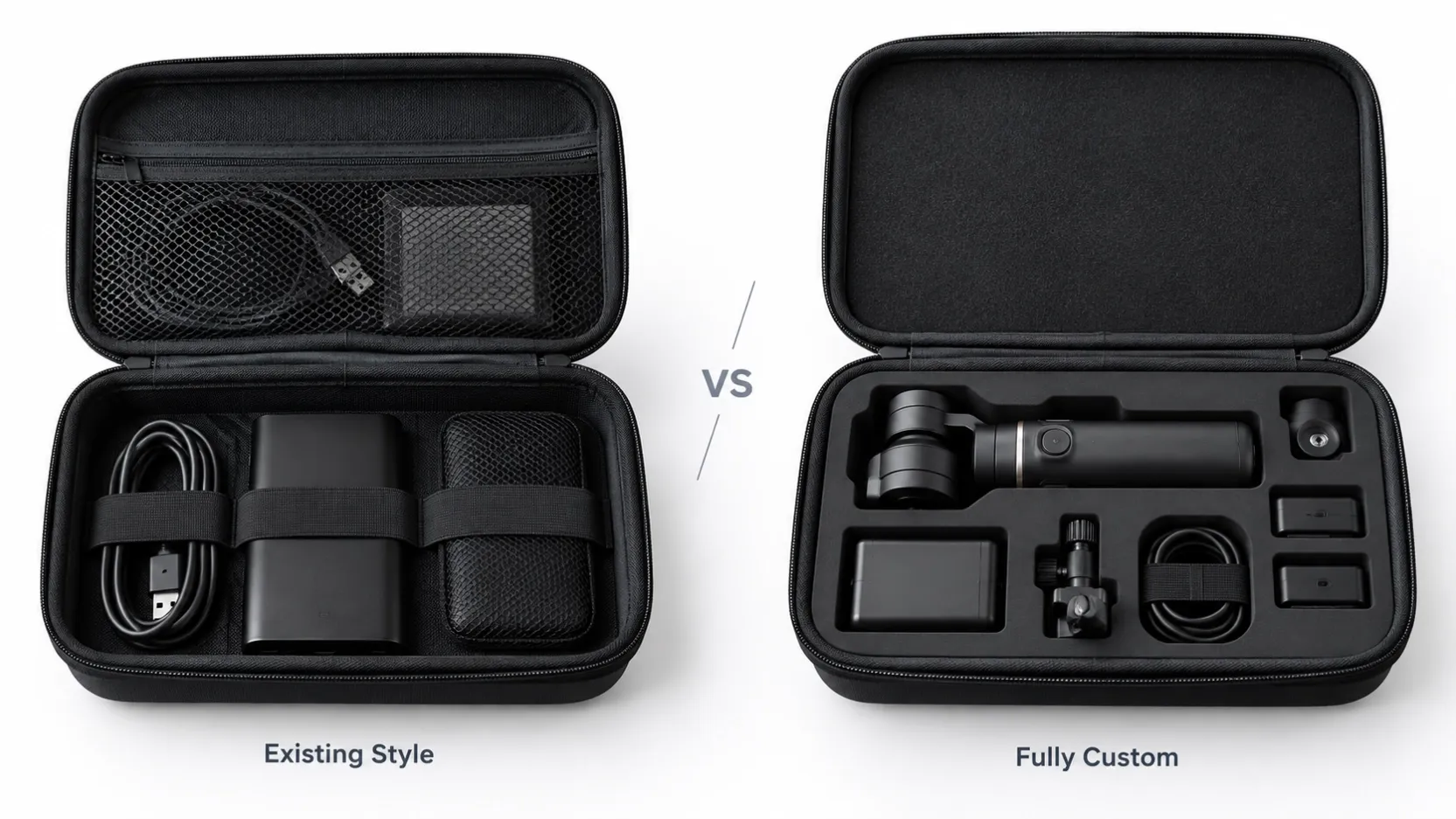
CNC-Cut Foam for Defined Product Cavities
CNC-cut foam is a practical choice when the case needs separate cavities for a device, charger, probes, cables or other components.
It works especially well for professional equipment kits where each item should have a clear storage position.
The layout can also be adjusted during prototype development if the position or spacing of accessories needs improvement.
Layered Foam for Deeper or Irregular Products
For products with different heights or deeper components, multiple foam layers can be combined to create the required depth and support.
This can be useful when a case contains a main device together with smaller accessories that need different cavity depths.
When Does a Molded Insert Make Sense?
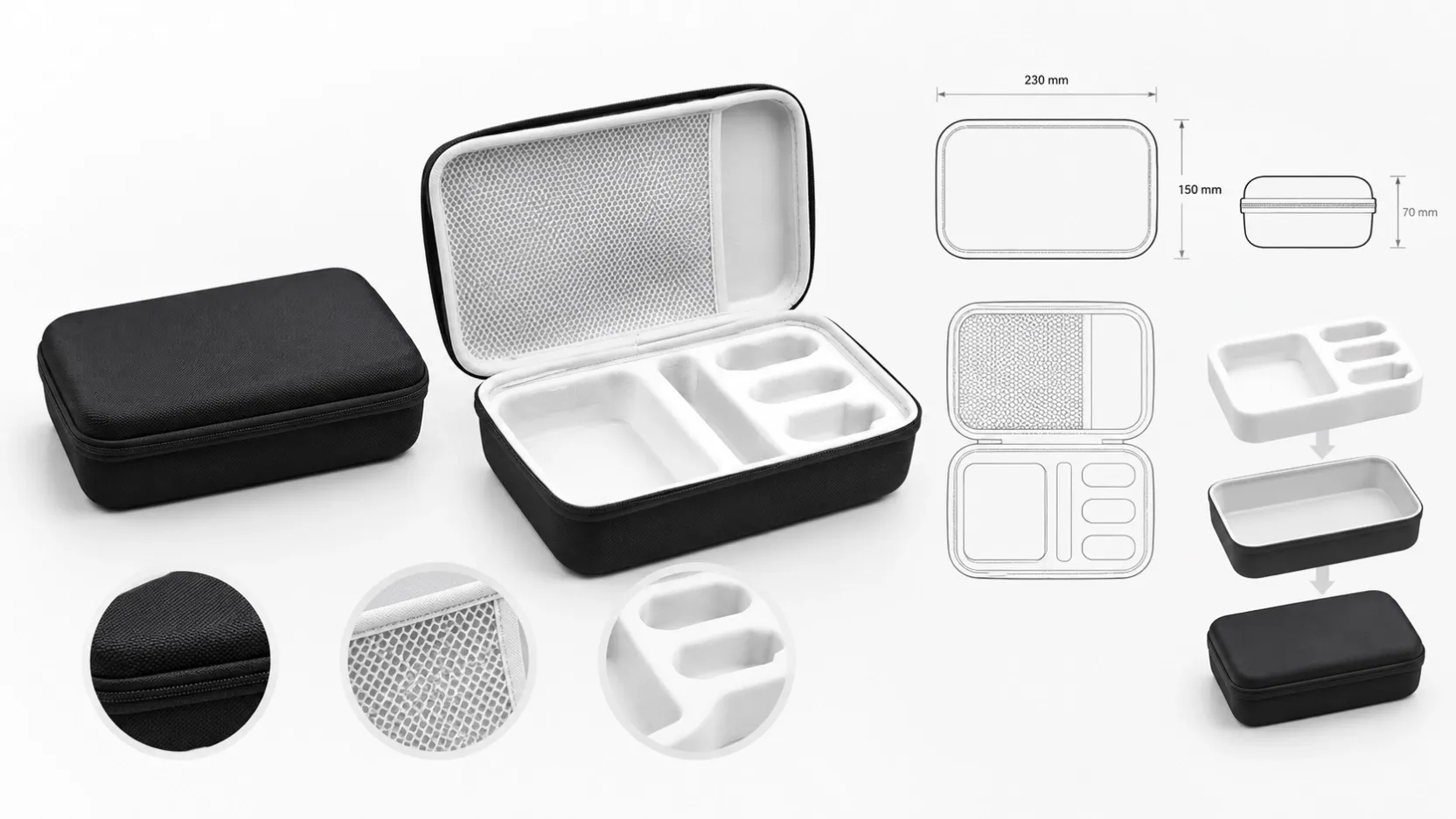
A molded EVA insert can provide a cleaner and more integrated interior appearance.
It may be suitable when presentation, repeated use and a finished interior are important, especially for products that will be supplied as a complete branded kit.
However, molded inserts can involve additional development and tooling, so they are not automatically the best option for every project.
Fit Should Be Secure — Not Too Tight
A good foam insert should hold the product securely without making it difficult to remove.
If the cavity is too loose, equipment may move during transport. If it is too tight, users may struggle to take the product out or unnecessary pressure may be placed on delicate surfaces.
Finger notches and small clearance areas can make frequently used products easier to remove.
Don't Design Around the Main Device Alone
Cables, chargers, probes, adapters and manuals often affect the interior layout just as much as the main product.
Depending on the project, accessories can be organized with separate foam cavities, mesh pockets, elastic straps or additional compartments.
Planning the complete kit at the beginning can also help avoid making the final case larger than necessary.
Which Foam Insert Is Right for Your Product?
| Option | Best For | Key Benefit |
|---|---|---|
| CNC-Cut Foam | Devices with defined shapes and multiple accessories | Flexible layout and precise cavities |
| Layered Foam | Products requiring different cavity depths | Flexible depth and support |
| Molded Insert | Branded kits and repeat-use products | Clean, integrated appearance |
What Should You Send for a Foam Layout Review?
You do not need to choose the foam structure yourself before starting a project.
For an initial review, send:
- Product dimensions
- Photos or drawings
- Complete accessory list
- Estimated order quantity
- Any special protection or presentation requirements
From this information, the case size and interior structure can be reviewed before prototype development.
Need Help Choosing the Right Foam Insert?
Send us your product dimensions, photos or drawings and accessory list. We can review the interior layout and suitable insert structure for your custom EVA case project.