Oct 8, 2026Guides/Insights
EVA Case Materials: How to Choose the Right Outer Fabric, EVA Shell and Lining
Learn how outer fabric, the molded EVA structural layer and interior lining work together in a custom EVA case, and what buyers should consider before sampling.
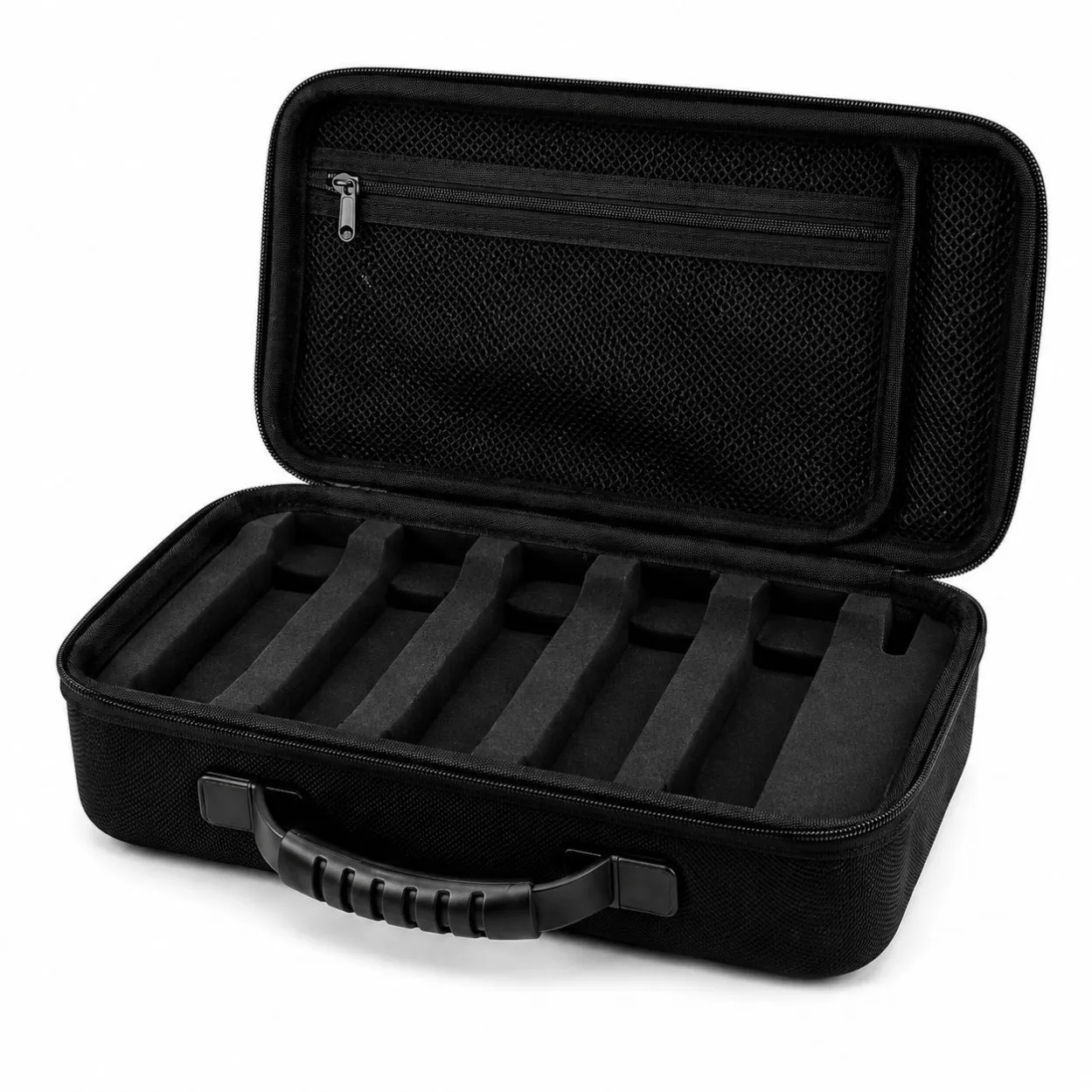
Choosing materials for a custom EVA case is not simply about selecting one type of EVA.
A typical case combines an outer surface material, a molded EVA structural layer and an interior lining. Each layer affects the appearance, structure and usability of the finished case.
At Bravie Case, material selection is reviewed together with the product dimensions, weight, interior layout and branding requirements rather than as an isolated decision.
1. Start With the Outer Surface
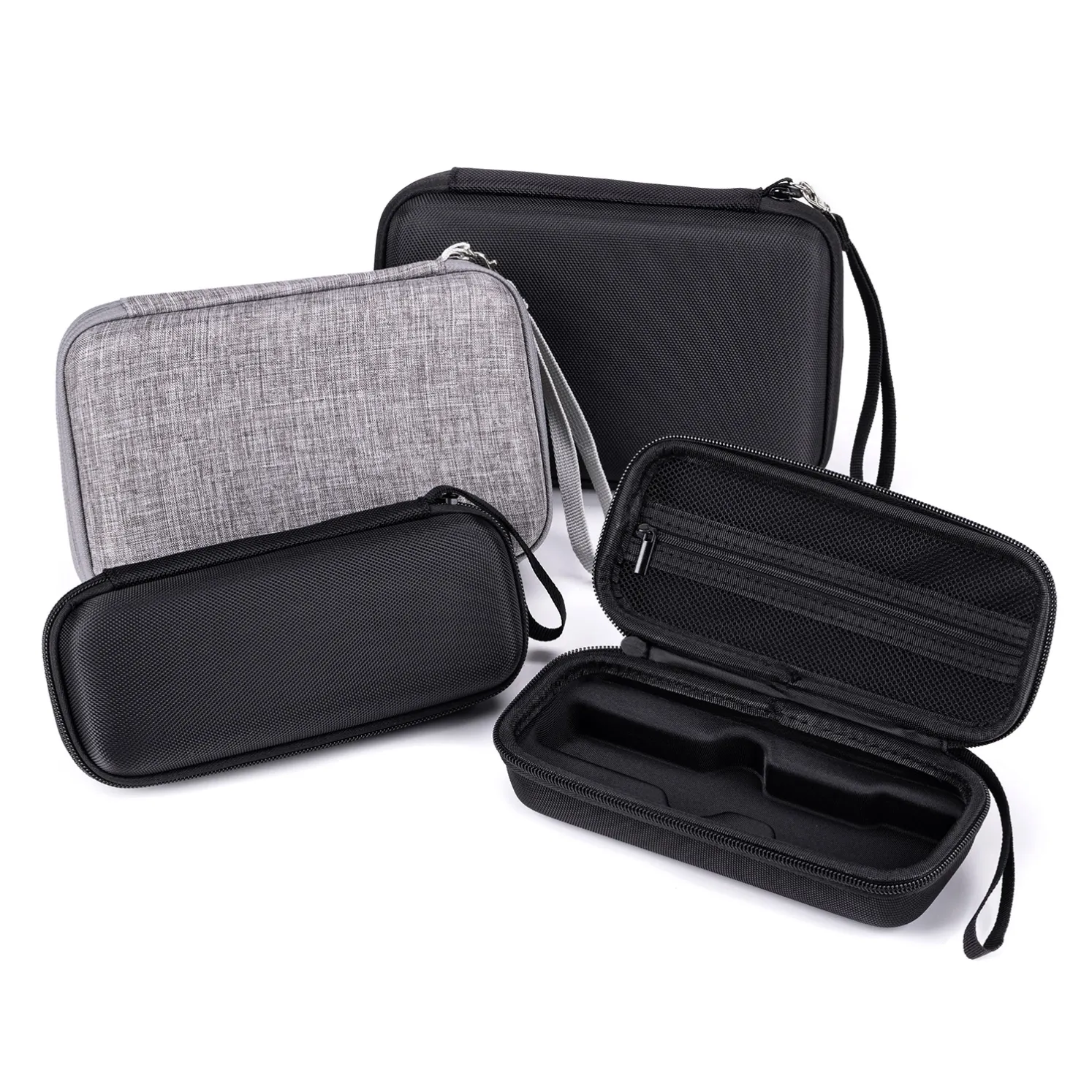
The exterior material has a strong influence on how the case looks and feels.
Common options may include:
- Polyester fabric
- PU surface materials
- Textured fabrics
- Embossed finishes
When choosing the exterior, consider:
- Desired appearance
- Surface texture
- Logo method
- Color requirements
- Intended use
For example, a professional tool case may need a different surface style from a compact electronics case.
There is no single exterior material that is best for every project.
2. The EVA Layer Provides the Case Structure
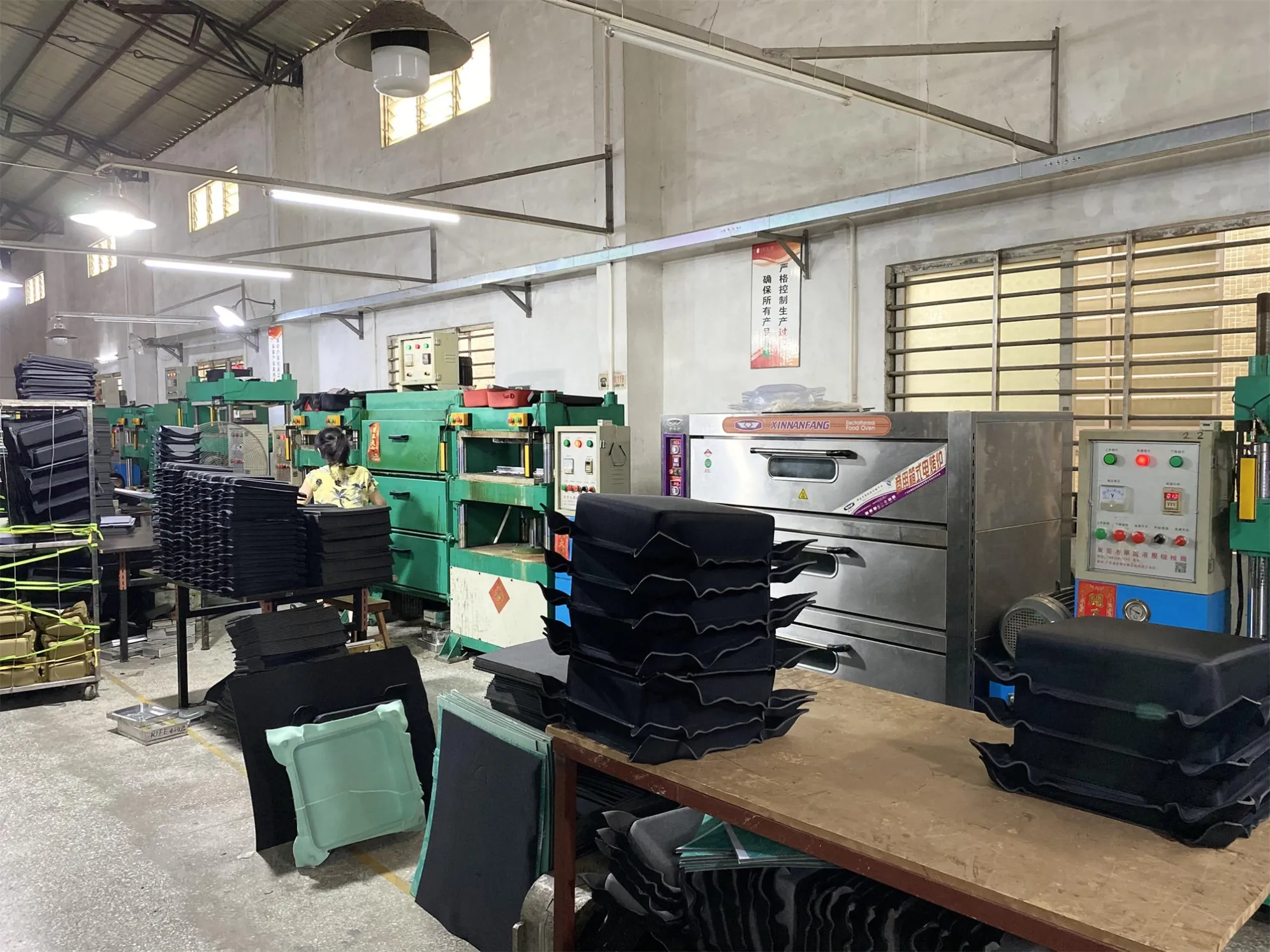
The molded EVA layer helps the case maintain its shape and provides the basic structure of the shell.
Its specification should be considered together with:
- Case dimensions
- Product weight
- Required case depth
- Case shape
- Interior layout
A large equipment case may require a different structure from a small lightweight device case.
For this reason, EVA thickness and structure should be selected around the actual product rather than using the same specification for every project.
3. Choose the Interior Around the Product
The interior lining creates the finished surface inside the case.
Depending on the product, it may also be combined with:
Custom Foam Inserts · Mesh Pockets · Elastic Straps · Dividers · Molded Inserts
The interior should not only look clean. It should also support the way the product and accessories are stored and used.
For equipment with sensitive surfaces, the lining and contact areas should be checked during sampling.
4. Material Choice Also Affects Branding
The outer surface and logo method should be considered together.
For example, screen printing, embossing, rubber patches or metal badges may produce different results depending on the surface material and case shape.
This is why Bravie Case recommends confirming the material and branding effect together on the physical sample before production.
5. Do Not Choose Materials From Photos Alone
Material photos and swatches are useful for an initial review, but they do not always show how the finished case will look after molding, sewing and assembly.
During sample approval, check:
- Surface appearance
- Case shape
- Interior finish
- Product fit
- Case closure
- Logo appearance
The final material decision should be based on the complete sample rather than only one material swatch.
What Information Helps With Material Selection?
Before starting a custom EVA case project, prepare:
- Confirmed product dimensions
- Product weight
- Product photos or drawings
- Complete accessory list
- Preferred appearance
- Logo artwork
- Estimated order quantity
- Packaging requirements
With this information, the exterior, EVA structure and interior can be reviewed as one complete case system.
Need Help Choosing the Right EVA Case Materials?
Send your confirmed product details and project requirements to Bravie Case.
We can review the outer material, EVA structure, interior layout and branding requirements before moving to sampling.
Request a Quote →