Oct 8, 2026Guides/Insights
Custom EVA Case Tooling: When Is a New Mold Actually Required?
Learn when a custom EVA case requires a new shell mold, when an existing case size may work, and what buyers should check before paying tooling costs.
Custom EVA Case Tooling: When Is a New Mold Actually Required?
Not every custom EVA case project requires a completely new mold.
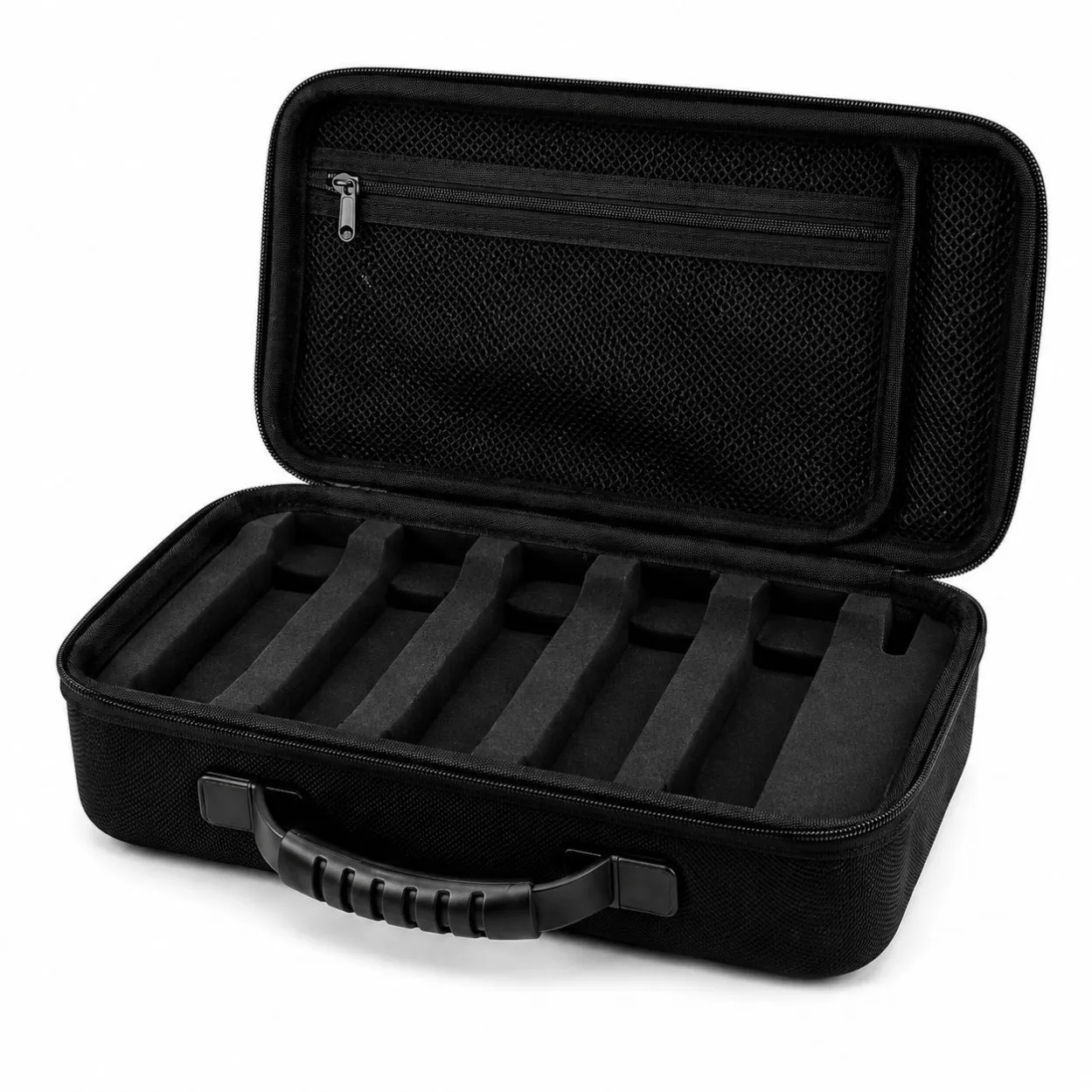
If an existing EVA case size and shape can accommodate your product, the project may start from that existing structure and focus customization on the interior, logo or packaging.
A new shell mold is usually considered when the product requires a specific case size, depth or shape that cannot be matched by an available case.
At Bravie Case, we prefer to review the product first before deciding whether new tooling is necessary.
When Can an Existing Case Size Be Used?
An existing EVA case may be practical when:
- The product fits the available internal dimensions
- The case depth provides enough clearance
- The interior can be adapted with foam, pockets or straps
- The exterior shape does not need to follow the product exactly
- The project quantity does not justify unnecessary new tooling
This can reduce development complexity, especially for lower-volume projects.
When Is a New Shell Mold Needed?
A new EVA shell mold may be required when:
- No existing size provides a practical fit
- The case needs a specific length, width or depth
- The shell shape is product-specific
- The exterior requires a special molded profile
- The final case dimensions are important to the product presentation
The decision should be based on the complete product and accessory set, not only the dimensions of the main device.
Tooling Is Not Always One Single Cost
Depending on the project, a quotation may include different setup or tooling items.
These can relate to:
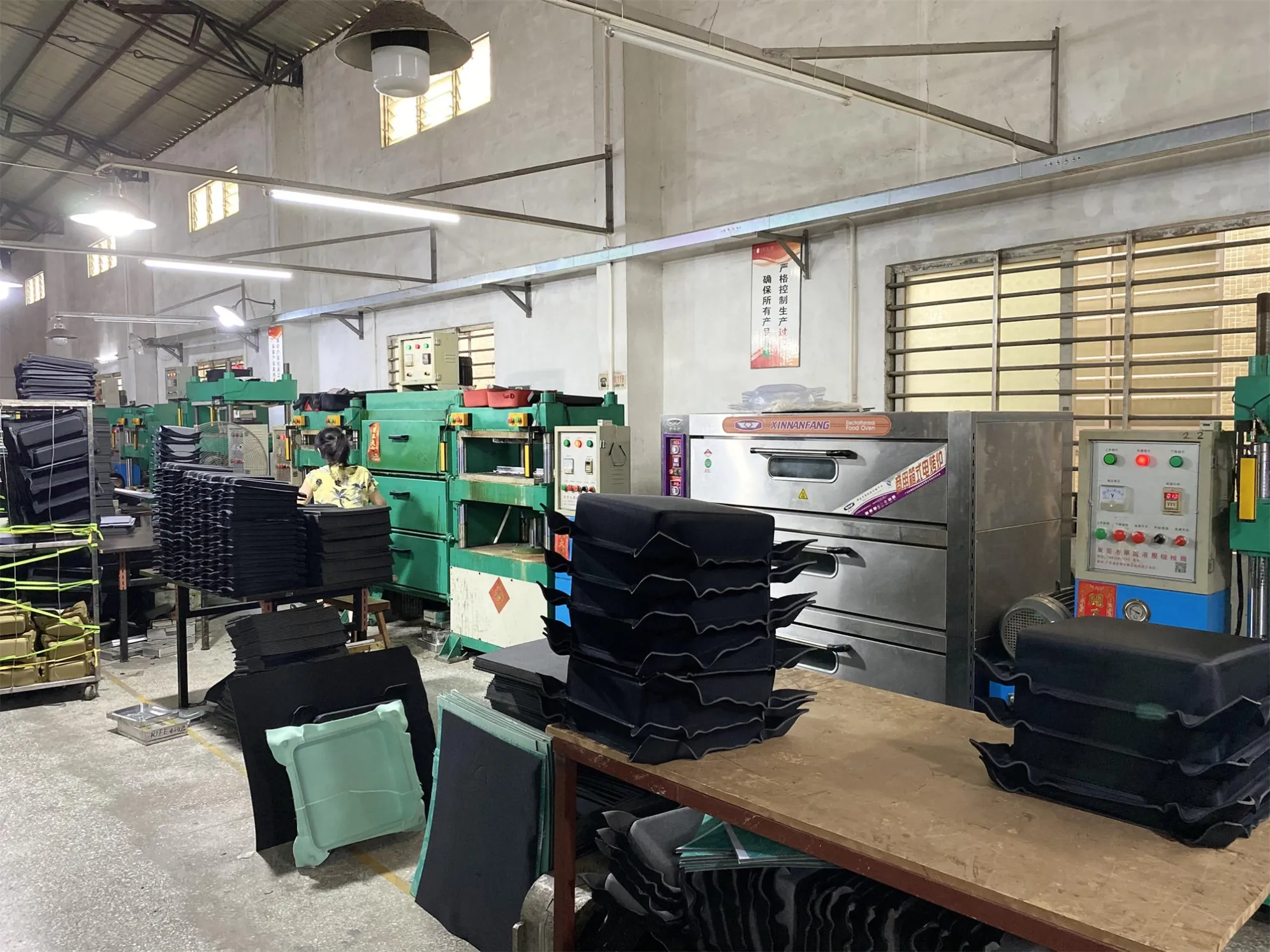
- EVA shell forming
- Cutting or production setup
- Interior insert development
- Logo application
- Special components
A CNC-cut foam insert, for example, may be developed differently from a molded interior structure.
For this reason, buyers should ask what each tooling charge actually covers rather than comparing only the total mold fee.
Does a Custom Foam Insert Always Require a Mold?
No.
Some foam interiors can be CNC cut directly from the confirmed layout, while other constructions may require different tooling or production methods.
The appropriate process depends on the foam structure, quantity and required finish.
The shell tooling and interior tooling should therefore be reviewed separately.
What Should Buyers Confirm Before Paying Tooling Costs?
Before approving tooling, confirm:
- Final product dimensions
- Accessory dimensions
- Proposed case dimensions
- Interior structure
- Estimated order quantity
- What the tooling charge includes
- Whether the tooling can be reused for future repeat orders
These details should be clear before the project moves into sampling.
Existing Mold or New Mold?
The goal is not automatically to avoid tooling.
The goal is to use new tooling only when it provides a real benefit to the product fit, structure or final presentation.
Bravie Case can first review your confirmed product dimensions, accessories and quantity to determine whether an existing case structure may work or whether a new shell mold is more practical.
Request a Quote →