Aug 27, 2026
Custom EVA Case Sample Approval Checklist: What to Check Before Production
A practical checklist for reviewing a custom EVA case sample before production, including product fit, foam layout, zipper function, branding and accessories.
Custom EVA Case Sample Approval Checklist: What to Check Before Production
Receiving the first custom EVA case sample is an important stage of the project.
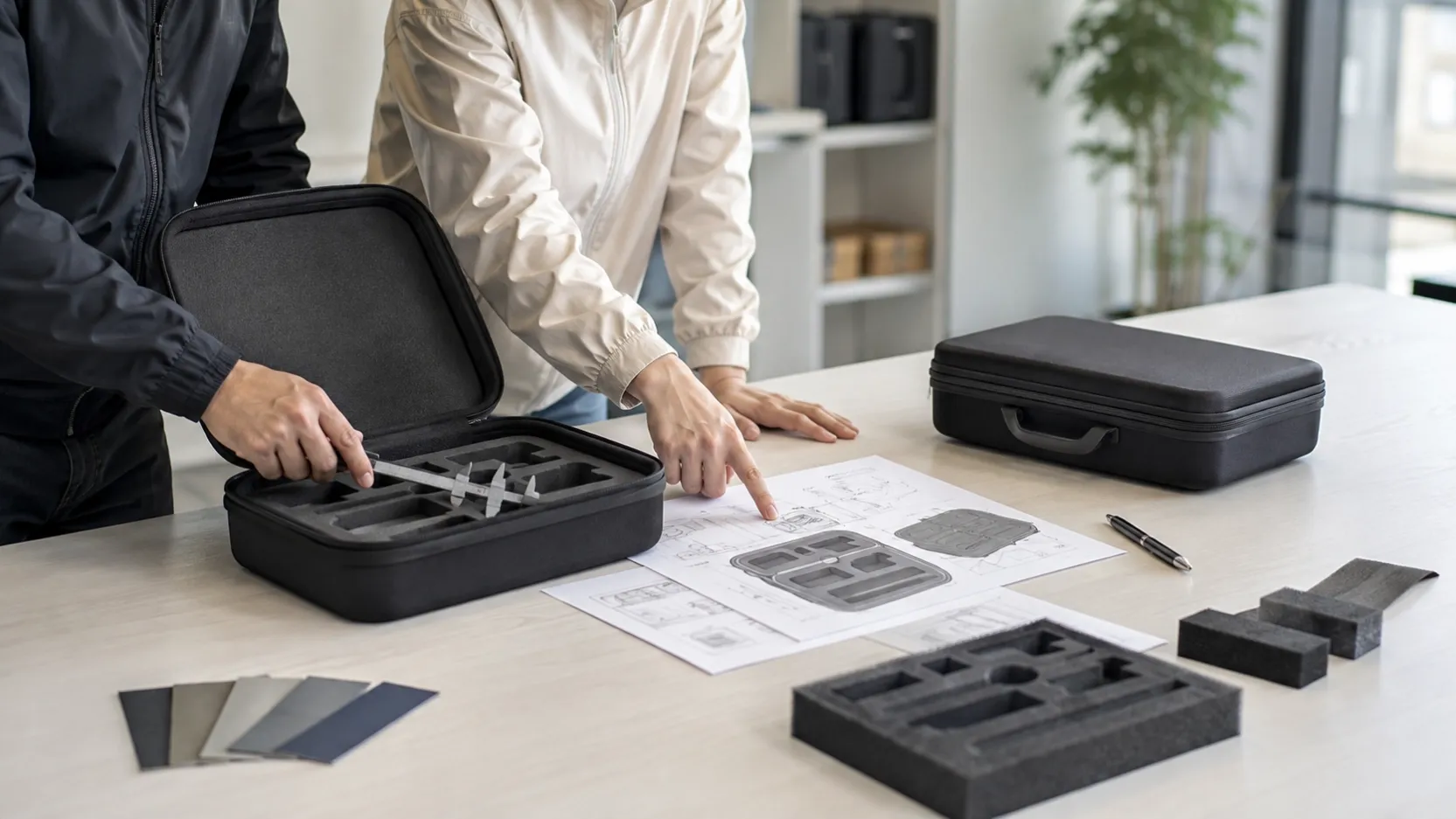
The goal is not simply to ask whether the case “looks good.” A prototype should confirm that the case works correctly with your actual product, accessories and intended use before production begins.
Here are the key details worth checking before approving your sample.
1. Start With the Product Fit
Place the actual product inside the case and check how naturally it fits.
The product should sit securely without excessive movement, but the fit should not be so tight that users struggle to remove it.
Pay particular attention to products with buttons, screens, connectors or fragile components. The interior should protect these areas without creating unnecessary pressure.
For equipment supplied with cables, chargers, probes or other accessories, test everything together rather than checking the main product alone.
2. Check the Foam Insert and Interior Layout
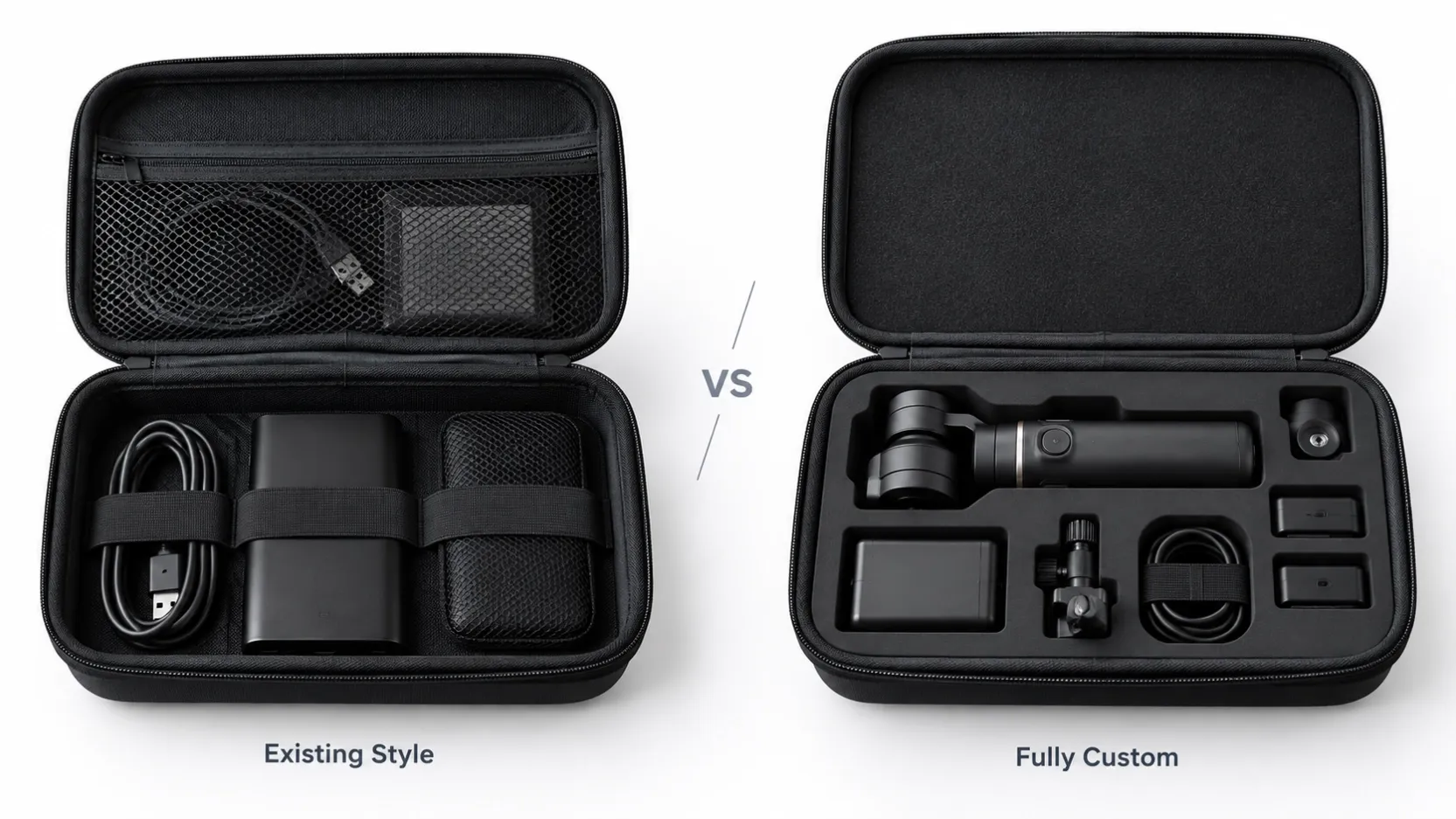
A good foam layout should do more than hold the product in position.
Check whether each cavity matches the product shape, whether there is enough support around important areas, and whether frequently used accessories are easy to remove and return.
Also consider how the case will be used in real life.
If users need to open the case frequently in the field, a technically secure layout may still need adjustment if accessories are difficult to reach.
This is why the prototype stage is useful: the interior can be reviewed with the real product before the layout is finalized.
3. Test the Zipper, Handle and Opening
Open and close the case several times.
The zipper should run smoothly around the shell without excessive resistance. Check the handle position and make sure the case feels balanced when carried with the full product inside.
If the case includes shoulder straps, elastic bands, mesh pockets or additional hardware, test these features with the intended load rather than evaluating them only visually.
Small functional details often become more obvious once the sample is actually used.
4. Review Branding and Appearance
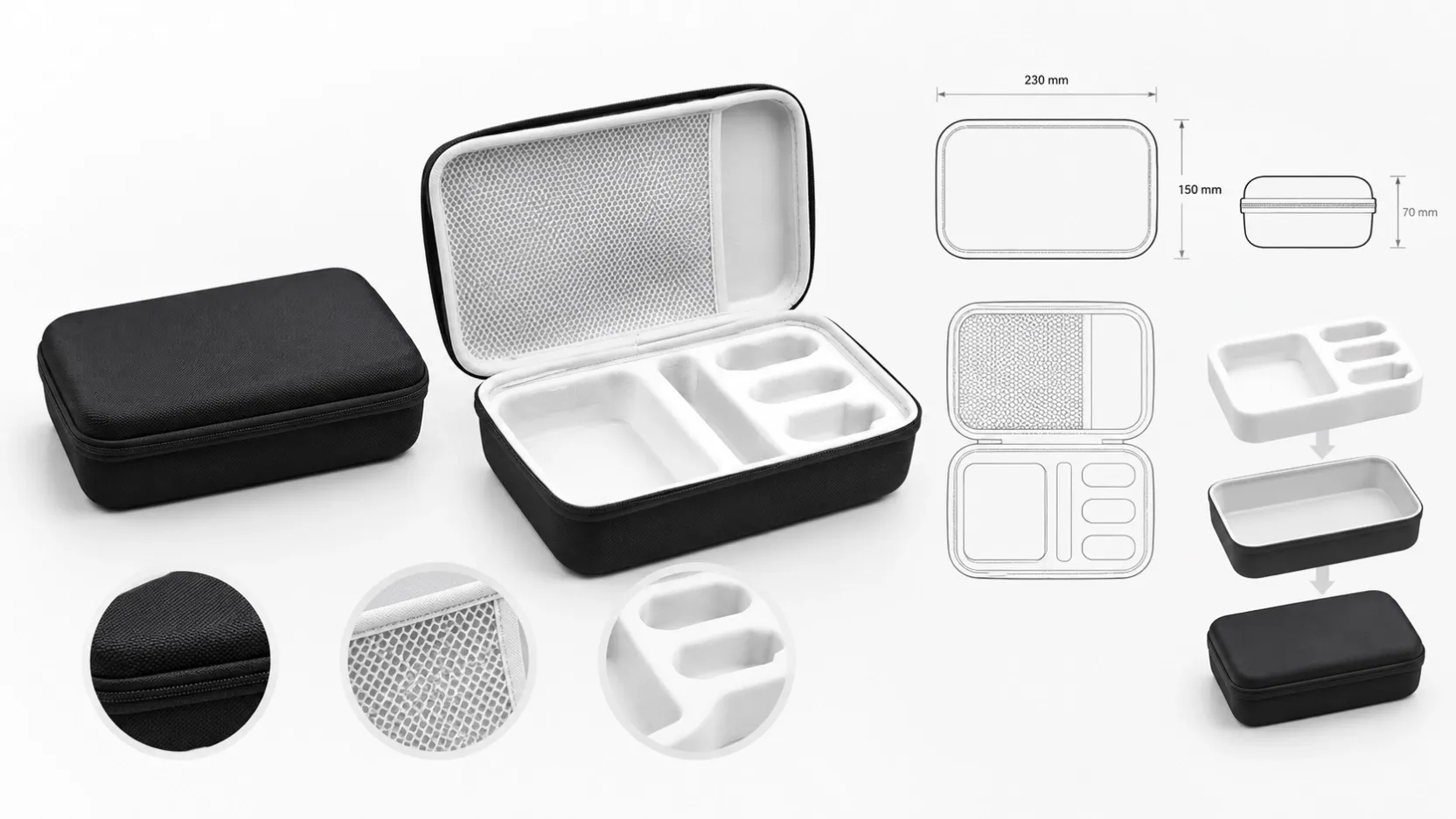
Check the logo size, position and overall appearance on the finished case.
For printing, embossed logos, labels, patches or other branding methods, compare the sample with the approved artwork and visual requirements.
This is also the right stage to confirm exterior material, color, lining and zipper details.
Screen colors and physical materials can look different, so the actual sample should be treated as the final visual reference before production.
5. Check the Case With All Accessories Inside
One common mistake is approving the case based only on the main device.
Before approval, pack the case exactly as the end user will receive or carry it.
Include cables, adapters, tools, manuals, spare parts and other accessories.
Then close the case and carry it normally.
This simple test can reveal issues that are difficult to notice from drawings alone, such as crowded accessory areas, excessive pressure on the lid or items moving during transport.
6. Record Changes Before Final Approval
If something needs adjustment, collect the changes into one clear revision list.
Photos with simple markings are often useful for showing changes to foam cavities, pocket positions, logo size or other details.
Once the revised requirements are confirmed, the final approved sample can serve as an important reference for production.
The goal is simple:
Solve fit and usability issues during sampling—not after production has already started.
A Good Sample Is More Than a Visual Check
A custom EVA case should be evaluated together with the product it is designed to protect.
Before approving production, confirm:
Product fit · Foam layout · Accessory storage · Zipper function · Carrying comfort · Branding · Materials · Overall usability
Taking a little more time during sample approval can help make the production requirements much clearer.
Planning a Custom EVA Case Project?
If you are developing a case for a medical device, tool, electronic product or other professional equipment, send us your product dimensions, photos or drawings, accessory list and estimated quantity.
We can review the project requirements and help determine the next steps for case design and sampling.
Request a Quote