CNC Foam or Molded Insert: Which Is Better for Electronics EVA Packaging?
CNC foam or molded insert? Compare flexibility, presentation, tooling and product fit when choosing an interior for custom electronics EVA packaging.
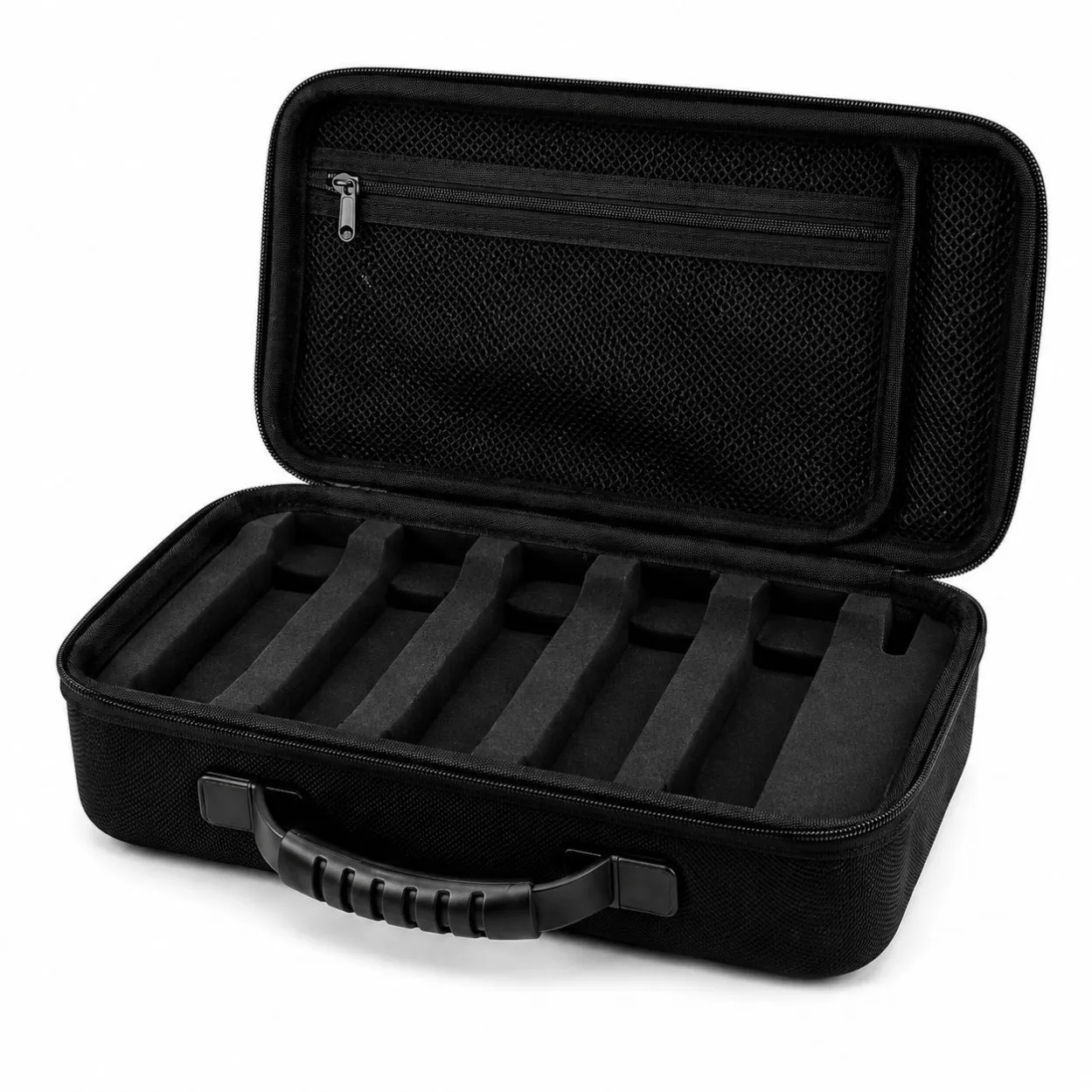
For consumer electronics packaged with a standard set of accessories, the interior is just as important as the EVA outer case.
The main device, batteries, charger, cables and adapters all need to fit into one organized package. Two common interior options are CNC-cut foam and a molded insert.
Neither option is automatically better. The right choice depends on your product, accessory configuration, order quantity and how you want the finished package to look and function.
When Does CNC Foam Make Sense?
CNC-cut foam is a practical option when the product requires defined cavities and the project still needs flexibility during development.
It may be suitable when:
- The product or accessory layout may still need adjustment
- The main device needs a secure fitted cavity
- The project includes several different accessories
- The product is relatively heavy or requires firm retention
- You want to develop the interior without committing to a dedicated insert mold too early
Because the layout can be adjusted according to the product dimensions and accessory set, CNC foam is often useful during product introduction or for projects where the configuration may change.
When Does a Molded Insert Make More Sense?
For a standardized electronics product with a stable accessory configuration, a molded insert can provide a cleaner and more integrated presentation.
It may be worth considering when:
- The product design and dimensions are finalized
- The accessory set is standardized
- The same layout will be used across a production run
- A clean, product-specific presentation is important
- The expected quantity can justify the additional tooling and development
This can be particularly useful for consumer electronics that are supplied as a complete kit, such as a main device with batteries, charger, cable and related accessories.
Protection or Product Presentation?
This is one of the most important questions when choosing the interior.
CNC foam is often selected when secure retention and flexible cavity design are the main priorities. A molded insert may be considered when the buyer also wants the interior to feel more like part of the original product packaging.
For example, an electronics kit supplied directly to the end customer may benefit from a clean, standardized presentation. An industrial electronic device used in the field may place more emphasis on retention, protection and practical accessory storage.
The application should guide the interior choice rather than appearance alone.
Do All Accessories Need a Fitted Cavity?
Not necessarily.
The main device, batteries or rigid adapters may benefit from defined positions, while flexible cables and less sensitive accessories can sometimes be stored more efficiently in a mesh pocket or separate compartment.
Trying to create a fitted cavity for every cable can increase the required interior area and make the case larger than necessary.
A practical electronics package may therefore combine a fitted insert for the main components with flexible storage for cables and other accessories.
Consider Tooling and Order Quantity
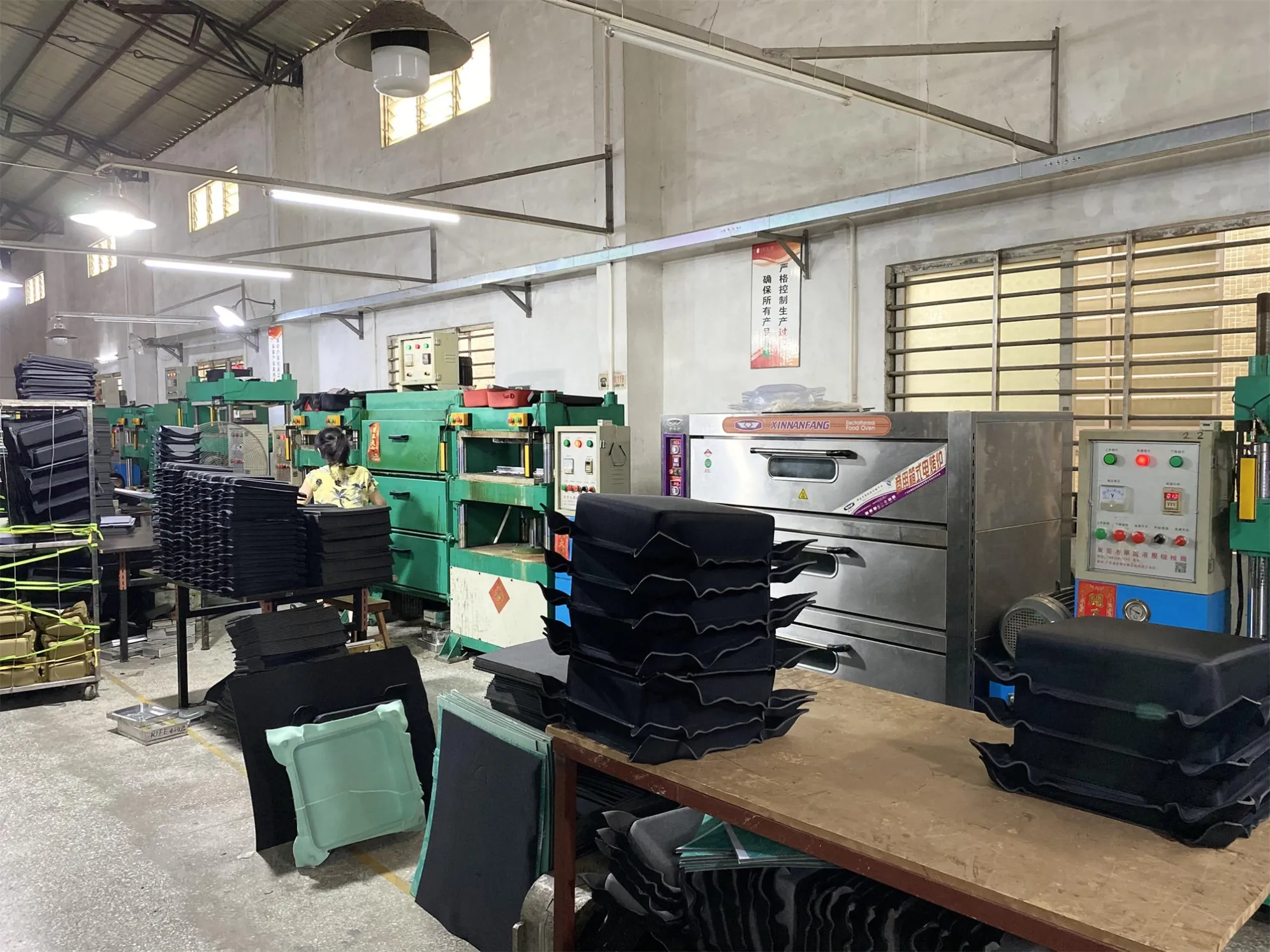
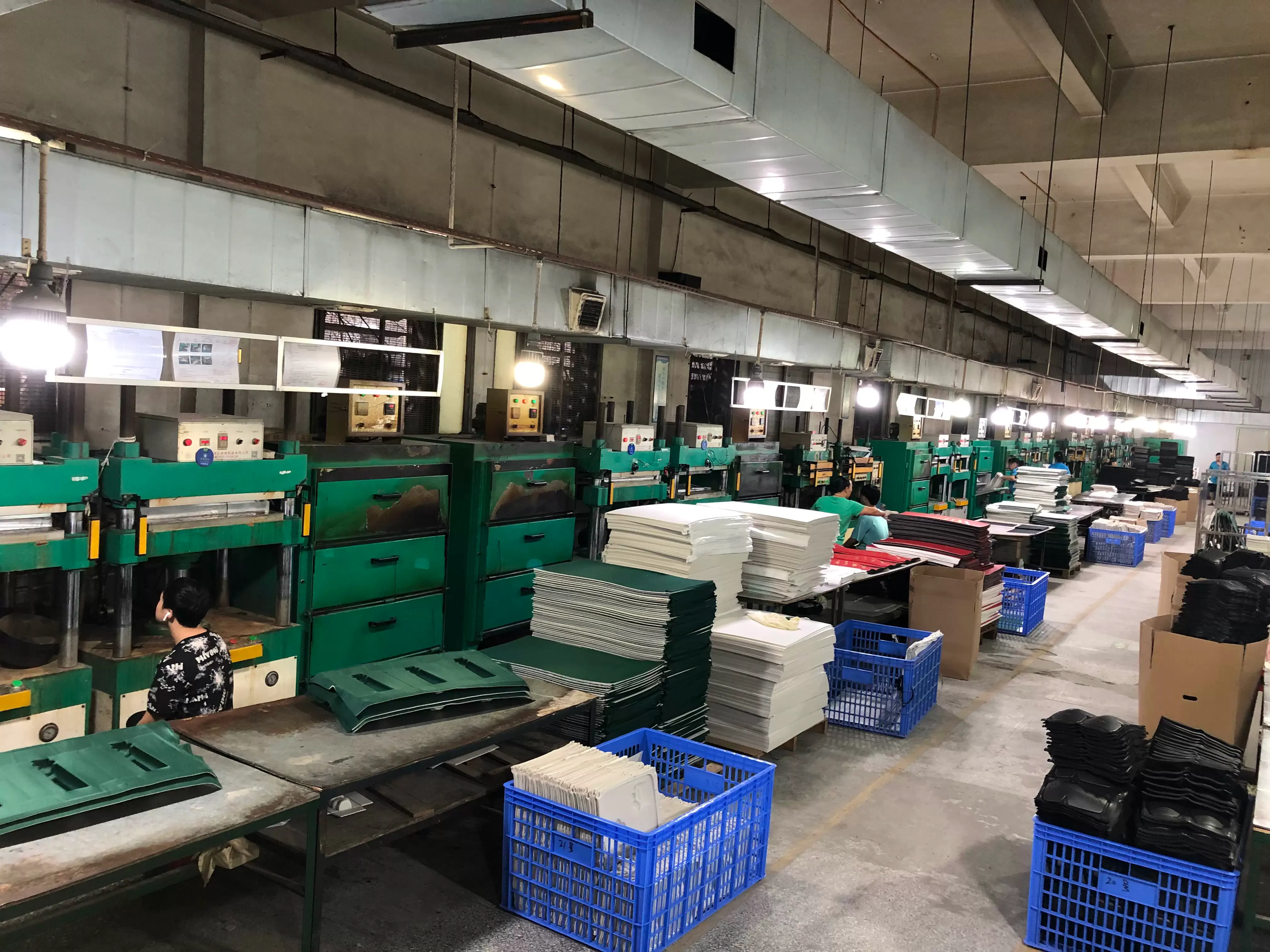
Tooling is another important difference between the two approaches.
CNC foam generally provides more flexibility when the layout may still change. A molded insert normally requires more commitment to the final geometry and therefore makes more sense once the product and accessory configuration are stable.
This does not mean that one option is always cheaper than the other. Case size, insert structure, materials, tooling requirements, customization and order quantity all affect the final project cost.
For this reason, the interior should be evaluated as part of the complete packaging project rather than selected based on one cost factor alone.
What Should Be Confirmed Before Sampling?
Before developing a fitted interior for electronics packaging, it helps to confirm the complete product set.
Useful information includes:
- Main device dimensions (L × W × H)
- Clear product photos or drawings
- STEP/STP files, if available
- Battery, charger, cable and adapter dimensions
- Quantity of each accessory per set
- Preferred product arrangement
- Estimated order quantity
- Target purchasing or launch timing
For a standardized electronics package, it is especially important to confirm which components will be included in every finished set before finalizing the interior layout.
CNC Foam or Molded Insert: How Should You Choose?
| Project Situation | CNC Foam | Molded Insert |
|---|---|---|
| Product configuration may change | More flexible | Less suitable before design is finalized |
| Defined equipment retention | Suitable | Project-dependent |
| Standardized accessory set | Suitable | Worth evaluating |
| Packaging-style presentation | Functional appearance | Cleaner integrated appearance |
| Dedicated tooling | Usually less dependent on dedicated insert tooling | May require dedicated tooling |
The best approach depends on the complete product set and project requirements. In some electronics projects, a combination of fitted structures and flexible accessory storage may also be more practical than using a single interior method throughout the case.
Developing EVA Packaging for an Electronics Product?
Send Bravie Case your product dimensions, photos or STEP/STP files, complete accessory list, estimated quantity and preferred arrangement.
We can review the product set and discuss whether CNC foam, a molded insert or another interior direction is more practical for your project.